
Enjoy a full years subscription of Healthy Revelations and discover life-changing health secrets you won't find anywhere else.
- $240 Yearly Value

- How To Lose Weight Fast
- Healthy Eating
- Stress Relief
- Disease Prevention
- Doctor Recommendations
- Seasonal Health Tips
- And More...
Exercise Articles
Eating Schedule : Before and After Workouts
 Dedicating yourself to a healthy lifestyle by eating the right diet and living a more actively seems simple. But it entails a lot of discipline and a little know how. This is true especially for those who are planning to spend a couple of hours at the gym.
The body needs a steady source of energy and nutrients. This holds true for those planning to lose weight or adding muscles. Energy is needed to power your various workout exercises and getting enough energy is essential to proper functioning in the gym. What happens after workouts is also essential. It determines the most safest and opportune time to eat and help your body in the recovery process.
Before Workouts
If you're planning to go on a workout it is important for you to adjust eating times accordingly. Working out with a full stomach could have a negative effect on your workout. The body spends energy digesting, energy which is needed during a workout. This only makes you tire easily as your body divides itself between digesting and providing you with energy during workouts.
Working out in the gym entails focus both mentally and physically. And a full stomach could make you feel lethargic or overly relaxed. Lifting weights especially free weights can be taxing mentally and needs full focus. Hard to do when your body is still busy digesting a meal.
Eating after Workouts
Your body's natural reaction after a workout is to replace lost energy stores. Strenuous workouts may have caused minor muscle tear which require immediate repair. Feelings of hunger is triggered, signaling you that your body is in need of instant nourishment.
If you're about to go through a long workout, one or two hours for example. Be sure to have something handy to provide you with a quick energy source. Eat snacks rich in protein and carbohydrates. Bring snacks in the gym to immediately replenish energy and jumpstart the repairing process. Water is also essential. This is needed to prevent dehydration after a grueling workout.
A 15 minute minimum is required after exercising before you eat.
For those not hungry
For some especially for those whose goal is losing weight, eating after your workout could be detrimental to your weight loss efforts. Eating after a workout actually helps the body restock lost fats which might have been lost during the workout. If you feel hungry, only consume that which is enough to keep you going through the day.
Drink water, pure fruit juices or an energy drink to prevent dehydration and replace lost electrolytes. Even when you're not feeling hungry or trying to lose weight, replacing lost electrolytes is essential for maintaining proper energy levels.
Eating habits before and after workouts
Working out in the gym is one of the best and fastest way to a healthier body. But it entails an extra sense of discipline. This includes proper eating habits to maximize every second you spend in the gym. So the next time you plan on going to the gym, take note of this simple guide on eating before and after workouts.
Fitness for All Workouts that May Do More Harm than Good!
Despite what many people believe, not all workouts are actually effective and conducive to losing weight and toning up. There are a number of workouts that you will see people doing at your gym any given day of the week that are actually ineffective.
Unless you have the best form and are using some of these machines like textbook, then you actually may be doing more harm than good to your body.
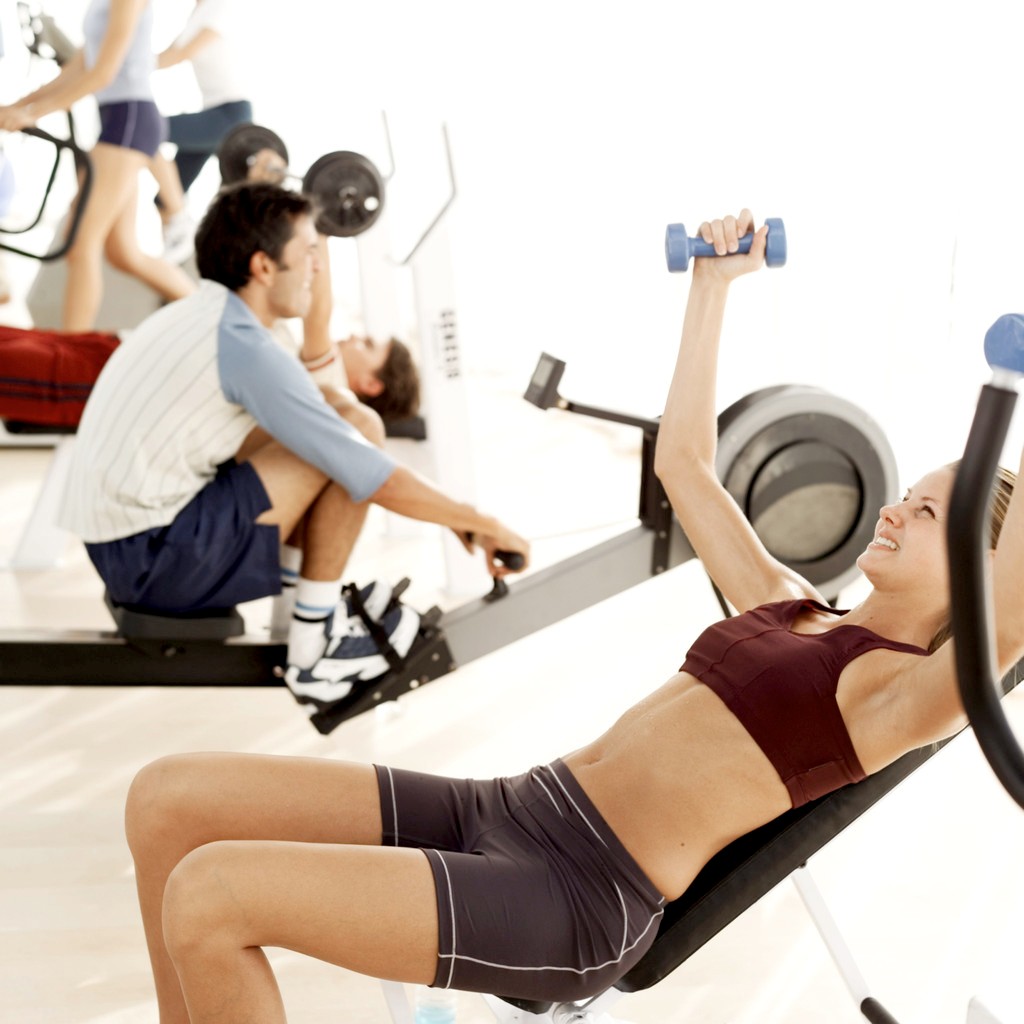
Here are some examples of ineffective workouts:
- Behind the Head Lat Pull Downs: Unfortunately only those with very mobile shoulder joints can keep their spine straight enough to get a good workout from the behind the back lat pull down bar. The move done wrong can actually tear the rotator cuff.
- Lying Leg Press (with knees bent too deeply): This exercise is typically done to work your quadriceps, hamstrings and glutes and is done on a machine where you use your feet to push a weighted plate up and down. Unfortunately if you bend your knees too far, then you can seriously injure your back and/or knees.
- Squats on a Smith Machine: While the Smith Machine is generally an effective machine, the bar on the machine doesn’t give, which can force the body into risky positions, including placing their feet too far in front of them while doing their squats.
- Using Bad Form on Cardio Machines: While using bad form is not good on any machine, using bad form on cardio equipment is a big no-no. Hunching over can throw off your alignment, jarring your spine, shoulders and elbows.
- Upright Row: This exercise done by pulling weights or a barbell underneath your chin can compress the nerves in your shoulder, actually impinging the shoulder.
Fitness for All: Physical Activity for Diabetes Sufferers
Being physically active is a good idea for everyone, but it is especially important for people with diabetes. According to experts with the Centers for Disease Control (CDC), “being active makes your body more sensitive to insulin which helps manage your diabetes.”
Other additional benefits include maintaining a healthy weight, losing weight, sleeping better, improving your memory, lowering your blood pressure, and feeling happier.
For those that suffer from diabetes, experts say that the goal is to get approximately 150 minutes of exercise each week. One way to do this is to get about 20-25 minutes of exercise each day, including about 2 days of a full-body workout – or using as many body parts as possible that you can during your workout.

Some great ways to get your 20-25 minutes per day include:
- Walking briskly
- Doing housework
- Mowing the lawn
- Playing a sport
- Swimming
- Biking
- Dancing
All these activities work your larger muscles, increase your heart rate, and make you breathe harder which are all good for you and important goals for fitness.
As with any exercise program, be sure to consult your doctor before starting physical activity. Your doctor can also steer you towards activities that are the best for you.
Fitness for All Treadmill Workouts for Everyone
Tired of your same old treadmill routine? Why not spice things up this week and try this easy treadmill work out that will help you burn a quick 2,000 calories in just seven days.
Day One:
Power walk – 30 minutes
Strength train – 20 minutes
Day Two:
Warm-up (walk easily, then briskly) – 3 minutes
Power walk – 2 minutes
Run fast (don’t sprint) – 2 minutes
Repeat steps 1 and 2 – 10 times
Cool down (walk easily) – 2 minutes
Day Three:
Warm-up (walk easily) – 5 minutes
Do your favorite strength-training move – 12 reps
Power walk (4-6% incline) – 3 minutes
Repeat steps 1 and 2 – 6 times
Cool down (walk easily) – 5 minutes
Day Four:
Warm-up (walk easily, then briskly) – 3 minutes
Power walk – 2 minutes
Run fast (don’t sprint) – 2 minutes
Repeat steps 1 and 2 – 6 times
Cool down (walk easily) – 3 minutes
Day Five:
Repeat Day One’s Routine
Day Six:
Warm-up (Walk easily, then briskly) – 5 minutes
Power walk – 2 minutes
Run fast (don’t sprint) – 4 minutes
Repeat steps 1 and 2 – 6 times
Cool down (walk easily) – 4 minutes
Day Seven:
Rest
Repeat this workout weekly or every other week. Remember to mix up your workouts to keep things fresh and exciting.
Enjoy a full years subscription of Healthy Revelations and discover life-changing health secrets you won't find anywhere else.
- $240 Yearly Value
- How To Lose Weight Fast
- Healthy Eating
- Stress Relief
- Disease Prevention
- Doctor Recommendations
- Seasonal Health Tips
- And More...