
Enjoy a full years subscription of Healthy Revelations and discover life-changing health secrets you won't find anywhere else.
- $240 Yearly Value

- How To Lose Weight Fast
- Healthy Eating
- Stress Relief
- Disease Prevention
- Doctor Recommendations
- Seasonal Health Tips
- And More...
Exercise Articles
Fitness for All Winter Workouts
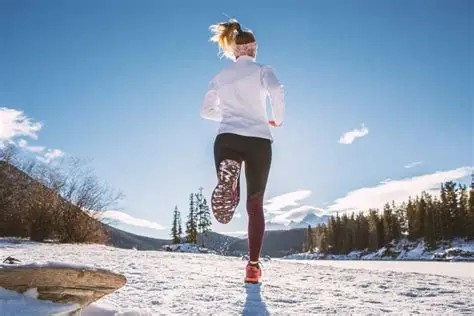
Even though it may seem like winter may never be over, soon enough in just a few short weeks it will be. But before you gear up for spring and getting back outdoors to take in nature and get some exercise, here are some winter workouts that you need to make time for before the spring flowers bloom.
- Take a spin class. These intense indoor cycling classes can burn hundreds of calories and keep your bones strong.
- Put your swimsuit on and hit up the local indoor pool. Once spring and summer roll around no one wants to be swimming indoors, but on those cold winter days, nothing feels better than taking some laps in a warm swimming pool.
- Hit the wall and find somewhere with an indoor rock-climbing wall. This non-traditional cardio exercise not only exercises your body, but also your brain. It can also burn up to 650 calories an hour!
- Ice skating isn’t just for kids, figure skaters or hockey players. Visit your local indoor ice rink (or outdoor ice rink if you have one close by) and tone your legs, core and butt while having fun and stabilizing muscles that assist with balance and coordination.
- Try a boot camp workout. Inspired by military training, these “booty-busting” classes are gaining in popularity all over the country and combine strength training moves with high-intensity cardio for a full body workout.
- Put on your boxing gloves and pretend you are Rocky! Most gyms or community centers offer basic classes in boxing and because this is such a multi-faceting workout, you will notice that you are toning up more than bulking up the more you try it.
- Tai chi is another good winter workout to try when the winter blues have got you down. Tai chi is a low-impact exercise with its roots in ancient China. Tai chi helps balance yin and yang, improves cardiovascular health, reduce stress and anxiety, and improve balance
In the News Exercise for the Elderly
Health experts are constantly conducting research and learning more and more about the benefits of exercise for the elderly. Sedentary adults are more likely to suffer from heart disease, diabetes, high blood pressure, certain cancers, and joint and muscle disorders.
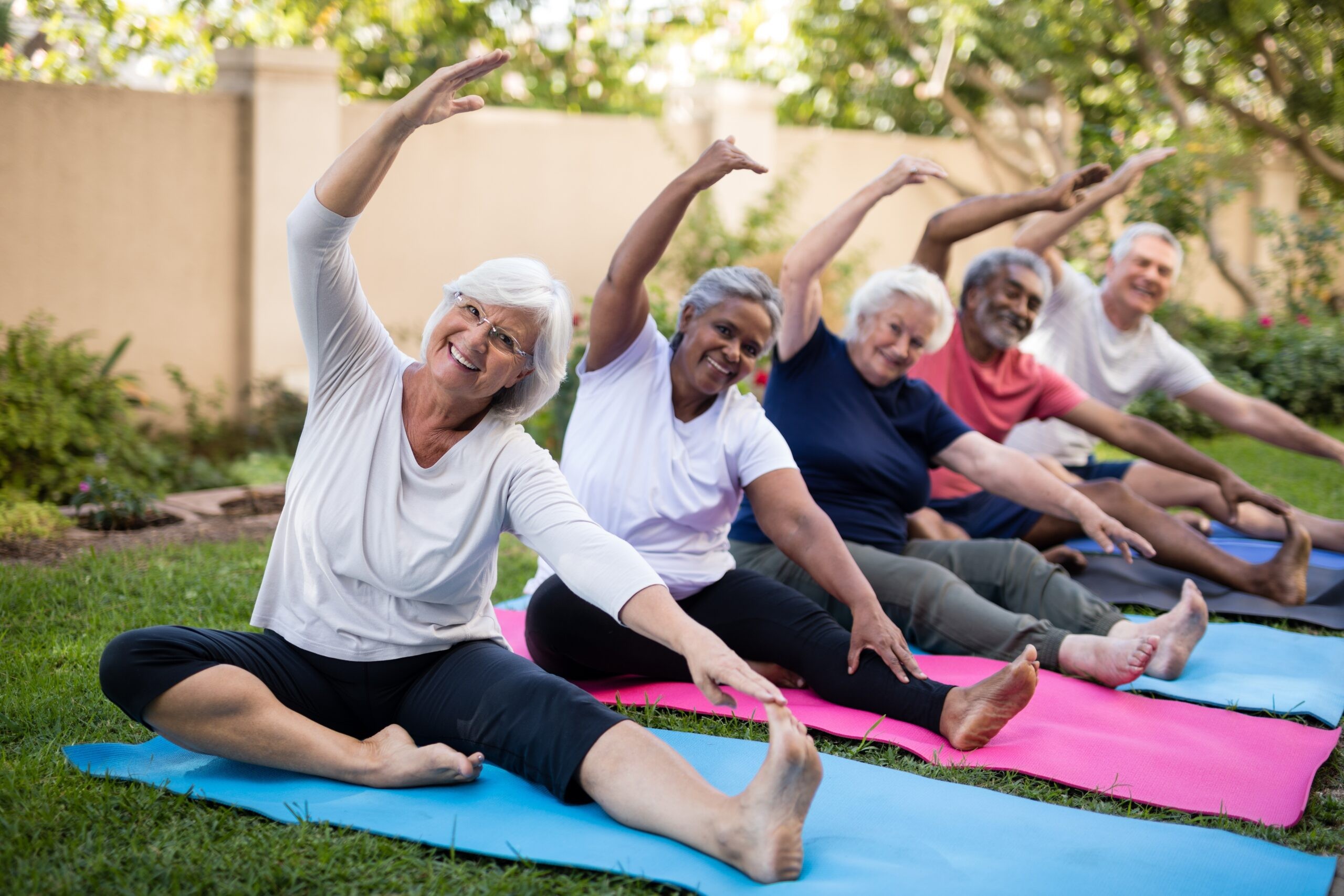
To help ward off these conditions and to deal with the everyday wear and tear that aging has on our bodies, experts suggest that individuals over the age of 50 should consult their physician and a personal trainer to come up with a fitness plan that works for them.
Another condition that exercise for the elderly has proven to help is the arthritis-stricken population.
The appropriate exercises can reduce inflammation and relieve stiffness in those particular joints. It also increases flexibility, muscle strength, power and stamina.
Elderly adults who exercise also gains the benefits that their younger counterparts also gain including: weight control, the ability to manage daily stress and improved self-confidence.
Experts have also found that exercising as you age can also reduce the risk of premature death, can curb depression and minimizes the development of brittle bones.
Fitness for All: Booty-Building Exercises
If you are looking to “build a better butt” this year, then you simply need to add these butt-boosters to your daily workout!
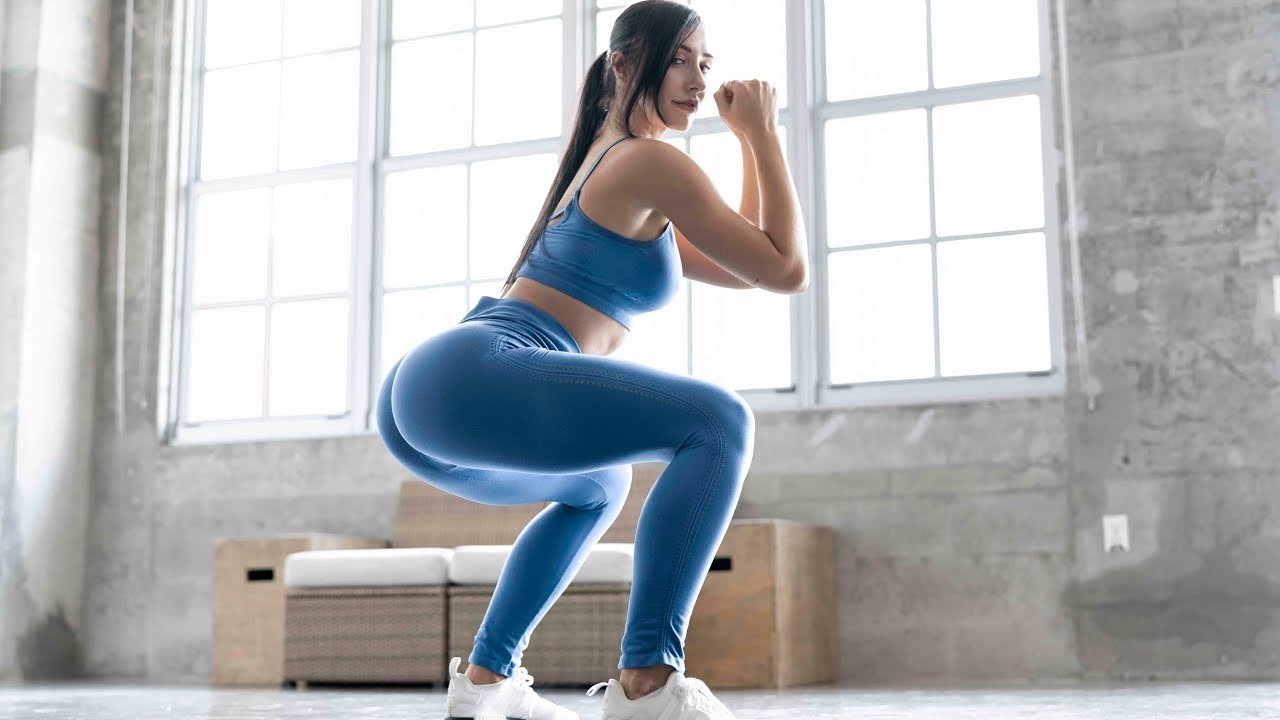
(With all of these exercises aim for three sets of 15 reps)
Squats – Squats will always top the list of any butt building exercise plan, but you need to do them correctly.
Keep feet parallel, shoulder-width apart. Slowly lower the hips as if sitting in a chair; then return to standing. Make sure your knees do not push out in front of your toes. Keep your torso tight and back straight.
Ball Squats – If you are a beginner to squats, it could be beneficial to you to use a large ball to help you balance while you perfect your form.
Keep the ball between your low back and a wall. Slowly perform the classic squat. Walk your feet out in front so the knees stay behind your toes.
Forward Lunge – Besides toning your butt, the forward lunge also tones the thighs and calves.
With your feet parallel and hip-distance apart, take one giant step forward. Lower your body slowly, bending both knees, and return to standing. Repeat on the other side. Bend your knees no more than 90 degrees. Keep your front knee stacked right over your front ankle. Do not rest your back knee on the ground.
Backward Lunge – Or you could also try a backwards lunge because it works your glutes a little bit harder than the forward variety. This lunge also adds flexibility to the hips and helps to align your body better, a common problem for people who spend most of their day sitting at a desk.
Use the same posture as in a forward lunge, but step backward to position the lower leg. Don't let the front knee push out in front of your toes.
Fitness for All How Fit Are You?
If you are looking to “get fit” in 2026, take these three self-tests to find out how fit you are first!
- How are your muscles? Do some push-ups. A 30-year old man should be able to 35 push-ups while a 30-year old woman should be able to do 45, while her knees are on the floor. For every decade after 30, the number of push-ups decreases by 5 for each gender.
- How is your flexibility? Sit on the floor with your legs straight in front of you, slightly apart. Extend your arms placing your one hand on top of your other hand, fingertips forward and reach for the space in between your feet. Women under the age of 46 should be able to reach at least two to four inches past your feet. Older women should be able to reach the soles of their feet. Men under the age of 46 should be able to reach the soles of their feet. Older men should aim to be within three to four inches of their soles.
- What’s your heart rate? Begin by exercising for 18 minutes at 80 to 85 percent of your maximum heart rate – for men, 220 minus your age; for women, 208 minus .82 times your age. Then exercise all out for three minutes. Check your pulse. Rest for two minutes and then check it again. Your heart rate should have dropped by at least 66 beats. The faster it drops the more fit you are.
Enjoy a full years subscription of Healthy Revelations and discover life-changing health secrets you won't find anywhere else.
- $240 Yearly Value
- How To Lose Weight Fast
- Healthy Eating
- Stress Relief
- Disease Prevention
- Doctor Recommendations
- Seasonal Health Tips
- And More...