
Enjoy a full years subscription of Healthy Revelations and discover life-changing health secrets you won't find anywhere else.
- $240 Yearly Value

- How To Lose Weight Fast
- Healthy Eating
- Stress Relief
- Disease Prevention
- Doctor Recommendations
- Seasonal Health Tips
- And More...
FEATURED ARTICLES
- Details
- Written by Lisa Jillanza
The winter season brings the least amount of sunlight of any time during the year : and people who work indoors get a mere 30 minutes of sunlight a day, compared to 90 minutes of sunlight a day in the summer time.
So instead of sitting indoors and enduring the winter blues, get outdoors, have some fun, and the winter months will fly by!

Get outside: To fight the winter blues, you have to join the winter blues, or something like that. Bundle up, build a bonfire and roast some marshmallows. Campfires don't need to be just for summertime anymore!
Create a positive playlist: Studies show that when people listen to happy music that their mood increases. While you clean the house or do the laundry, pump up the jams and listen to some music that puts you in a good mood to fight the blues.
Cheer yourself up with color: When all you see outside is shades of blue and grey, cheer yourself up by adding a little bit of color to your life. You don't have to do anything drastic like paint your walls a bright pink or anything, instead fill up some vases with colorful flowers. Or fill a bowl with fresh lemons and limes for the beautiful yellow and green hues.
Start planning your vacation: While you may not be able to get away from work or life during the winter months, there's no reason why you can't start planning your spring, summer or fall vacation. Many people get more pleasure from the anticipation of the vacation, than the actual vacation! Brainstorm about where you want to go, when you want to go there, what new foods you want to try or what new activities you will try out this year.
Have a snow day: Snow days can be either indoors or outdoors. An outdoor snow day includes building snow forts and having a snow ball fight. While an indoors snow day includes lots of hot chocolate, popcorn, funny movies and family-friendly games.
- Details
- Written by Lisa Jillanza
Try these quick and easy ways to jump start your new workout regimen in 2017!

- Wear a pedometer to determine the distance you walk each day. Shoot for 10,000 steps per day. If you aren't reaching that goal, add an extra mile to your routine or take the steps instead of the escalator whenever possible.
- Add jumping to your exercise routine : also known as plyometric moves : to build muscle and improve your bone density. Try jump squats or scissor lunges in your next routine.
- Spend the extra money to purchase good work out necessities : clothing, shoes, bras, supports, etc. Purchasing the better brands versus going the cheaper route will ensure that you use them and that they are the best for your workout.
- Don't spread germs. Always wipe down gym equipment before and after using them to protect yourself and others from germs and bacteria that can be passed from unclean gym equipment.
- Consider the other ways that you can lose weight without really trying : clean the house and burn 200 calories or work in the garden and burn 272 calories.
- Even if you have to travel or spend all day in a car or on a plane, still try to fit in physical activity. Take advantage of bathroom breaks by stretching and doing some light exercise. Walk briskly through the airport in between flights if traveling by plane.
- Build better bones and as much bone density as you can by doing weight-bearing activities like running or jumping as much as you can in your twenties and thirties.
- Yoga has many healthy benefits for your body and your mind. Even if you are a novice, take a class and try something different.
- Work out with your significant other or a friend or family member. This allows you to be a spotting partner for one another or just spend some quality time together working out.
- Details
- Written by Lisa Jillanza
- Cranberries are an excellent source of vitamin C and also an excellent source of fiber.
- Cranberries alone can be particularly tart, but in a sauce, juice, or as an ingredient in cakes, stuffing or casseroles, this fruit becomes tastier.
- When shopping for cranberries, choose cranberries that are shiny and not shriveled.
- A deep red or almost brown color actually signals freshness. A good cranberry should be hard.
- Cranberries will keep up to two weeks in a refrigerator.

Recipe: Holiday Cranberry Sauce
- 4 cups fresh cranberries
- 1 1/2 cups water
- 5 whole cloves
- 5 whole allspice berries
- 3 cinnamon sticks
- 2 cups white sugar
Place fresh cranberries and water in a medium saucepan over medium heat. Wrap cloves, allspice berries and cinnamon sticks in a spice bag. Place in the water with cranberries. Cook until cranberries begin to burst, about 10 minutes. Stir in sugar and reduce heat to low. Continue cooking 5 minutes, or until sugar has dissolved. Remove from heat and allow to cool. Discard spice bag. Chill in the refrigerator 8 hours, or overnight, before serving.
Recipe: Cranchick Salad
- 4 skinless, boneless chicken breast halves, chopped
- 2 tablespoons olive oil
- 3 stalks celery, chopped
- 1/2 cup chopped walnuts
- 1/2 cup dried cranberries
- 1/4 cup chopped red onion
- 1 cup mayonnaise
- 3 tablespoons balsamic vinegar
- salt and pepper to taste
- 1/2 lemon, juiced
- 8 leaves spinach - rinsed, stemmed, and dried
In a large skillet, heat olive oil over medium heat. Add chopped chicken and cook until chicken is cooked through. Remove from heat and set aside to cool. In a large bowl, stir together the celery, walnuts, cranberries, onion, mayonnaise, vinegar, salt and pepper and lemon juice. Add cooled chicken, and stir until well combined. Cover and chill about 6 hours and serve on top of spinach leaves, if desired.
- Details
- Written by Lisa Jillanza
When a person is diagnosed with Type 2 Diabetes most doctors start by getting their patients set up with a diet plan. Many people turn to a classic, low-fat regimen, while others have opted for a higher-fat, Mediterranean-style diet filled with lots of olive oil, as well as vegetables, whole grains and fish and poultry.

Researchers studied groups of people who were following both diets and they found that after four years both groups had lost similar amounts of weight.
But, only 44% of the Mediterranean dieters needed to take diabetes medication, as compared to 70% of the low-fat dieters.
One of the major benefits of the Mediterranean diet is that it is full of healthy foods and primarily because it doesn't recommend fat-reduced foods that are chock full of refined carbohydrates.
- Details
- Written by Lisa Jillanza
It seems that one of the most asked questions these days is high fructose corn syrup worse for you than regular sugar. Well, according to studies, last year alone Americans consumed 27 pounds of high fructose corn syrup, after all it can be found nearly everywhere including the fruit on the bottom of your yogurt and in many whole wheat breads.
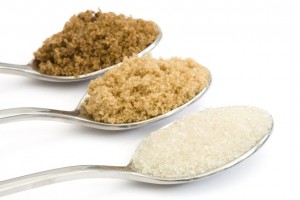
While that number is down from the 37.5 pounds consumed per person back in 1999, it seems that most Americans are filling in those remaining calories and pounds by adding in good old fashioned sugar.
Normal table sugar is made up of 50 percent fructose and 50 percent glucose. But since fructose is sweeter than glucose many manufacturers increased the ratio, to inexpensively hook their consumers. High fructose corn syrup contains 55 percent fructose and 45 percent glucose.
Because it is sweeter, people who eat foods high in high fructose corn syrup it may cause overeating and weight gain. Studies have also shown that high fructose corn syrup may also contain varying amounts of mercury.
The Institute for Agriculture and Trade Policy stated that “mercury was present in nearly a third of 55 popular brand name food and beverages in which high fructose corn syrup was the first or second ingredient on the label.”
It is important to be a good label reader and avoid foods that list high fructose corn syrup as an ingredient on the label. Even if an item is marked “natural” or in the health food aisle, it still can contain high fructose corn syrup as a main ingredient.
Even though table sugar isn't as bad for you as high fructose corn syrup, it can still wreak havoc on your diet and weight loss goals. Indulge in sugary items as a treat or only on special occasions, instead of at every meal.
Enjoy a full years subscription of Healthy Revelations and discover life-changing health secrets you won't find anywhere else.
- $240 Yearly Value
- How To Lose Weight Fast
- Healthy Eating
- Stress Relief
- Disease Prevention
- Doctor Recommendations
- Seasonal Health Tips
- And More...