
Enjoy a full years subscription of Healthy Revelations and discover life-changing health secrets you won't find anywhere else.
- $240 Yearly Value

- How To Lose Weight Fast
- Healthy Eating
- Stress Relief
- Disease Prevention
- Doctor Recommendations
- Seasonal Health Tips
- And More...
FEATURED ARTICLES
- Details
- Written by Lisa Jillanza
From overeating to watching too much TV, there's only one way to break a bad habit : make a plan!
Unfortunately, what may work for one person, may not work for another. So here are some ways to break some of the most popular bad habits. Hopefully it works for you!
 Kick that bad habit
Watching too much TV. : Studies show that people watch an average of 4 hours of television each day and these studies also show that excessive TV. watching can be linked to developing Type 2 diabetes and heart disease. Here are some ways to avoid watching too much TV: only watch when there is something specific you want to see, do chores during commercials, make a list of things you need to accomplish before sitting down to watch TV, and create a TV-watching plan and stick to it.
Drinking too much alcohol. : Tired of being hung over and sluggish? Then you should do everything you can to cut back on drinking too much alcohol. To cut back try these tips: drink one glass of water for every alcoholic drink you have, drink only when you are having a meal or try drinking something that looks like an alcoholic drink, like root beer or a drink with a slice of fruit in it.
Smoking. : While this may be one of the hardest habits to break, it's still possible as many, many people do it every year. The best plan is to talk things over with your doctor because they can offer the best cessation treatment for you. But some other approaches that you may consider include hypnotherapy, exercise or electronic cigarettes.
Nail-biting. : Because most nail-biting habits are linked to anxiety, stress, or nervousness, your plan should start with creating a relaxation plan. Think about what makes you bite your nails before you start. When you get the urge to bite your nails or catch yourself in the act, do something with your hands : garden, cook, play with your kids or pets, clean or do the dishes. Do something that takes your mind off biting your nails.
- Details
- Written by Lisa Jillanza
Now that spring is in full bloom and summer is just around the corner, it's time again to be out enjoying the sun's rays. And while those rays can be quite enjoyable, they can also wreak havoc on your skin and cause a nasty sunburn.
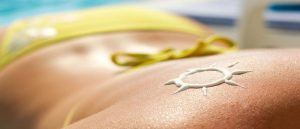 heal sunburn naturally
Don't let your sunburn turn into days of pain. Instead try some of those natural ways to fight the pain of sunburn:
- Use vitamin E. While there are plenty of sunburn remedies that you can buy over-the-counter, just look in your cabinet for any lotion that contains vitamin E and aloe vera. The vitamin E and aloe vera add nutrients back into the skin that the UV rays have left unbalanced. The aloe vera also gives the cooling effect that is much needed for that sunburn.
- Check the kitchen cupboard and the refrigerator. Items like vinegar, mustard, yogurt, tomatoes and avocados all contain extra vitamin E and will help to relieve the burn just as any cream or lotion would.
- Opt for green tea. Green tea is perfect for reducing the swelling of the skin associated with sunburns, as well as taking out the sting of the burn. To make the green tea compress, bring a pot of tea to boil then pour it over 1 teaspoon of loose green tea. Cover and let it sit for 5 minutes and then mix with an equal amount of cold water. Once the mixture is cooled, soak a clean cloth in it and put it on the sunburned skin for five to ten minutes. This can be applied several times a day.
- Cool down. Take a cool bath with 1 cup of black tea and 1 cup of apple cider vinegar to the bath water. The black tea helps to reduce the swelling and the apple cider vinegar helps to soothe the pain.
Whatever natural method you decide to go with to treat your next sunburn, be sure to treat the burn right away. Prolonging the treatment of the burn will only prolong the agony of the pain, so take care of your burn on day one.
- Details
- Written by Lisa Jillanza
If you are looking for something different to do to change your typical workout routine, pick up a set of resistance bands and give some of these exercises a try!
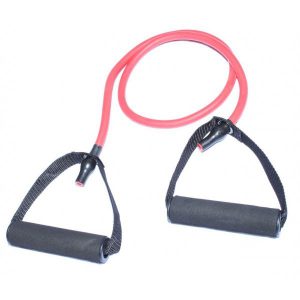 Resistance band workouts
Front Squat - Stand on a tube band with the feet slightly wider than your shoulders and center of the band between the feet. Holding a handle in each hand, bring the top of the band over each shoulder, securing the band in place by crossing your arms at your chest. Sit straight down, chest up, abs firm, pressing your knees out over your toes. Rise back up to start position and repeat for 8-12 reps.
Bent Over Row - Stand over the center of the band with feet shoulder-width apart. Bend slightly at the knees and hinge at the waist, keeping your hips back. Grasp each handle with hands facing the outside of your knees. With elbows bent, pull the band up toward your hips, squeezing your shoulder blades together until your elbows form a 90-degree angle. Lower and row for 10-12 reps.
Bench Press - Anchor a tube band on the bench legs, and lie on the bench, face up. Grabbing a handle in each hand. position them at shoulder
height (so your thumbs touch the front of your shoulders). Extend the arms straight up overhead to full extension, moving your hands toward each other at the top. Lower back down and repeat for 10-12 reps.
Overhead Press - Stand over the center of a tube band with feet shoulder-width apart. Grip each handle, positioning your hands at shoulder level with palms facing each other so your thumbs touch your shoulders. Press straight up, rotating your palms forward as you fully extend your arms. Lower back down slowly and repeat for 8-10 reps.
Russian Twist - Sit on the floor with legs extended, wrapping the center of the band around the bottom of your feet. Hold the free ends in each hand. Slightly bend your knees, keeping your feet on the floor, and lean back at a 45-degree angle. Rotate the band right by bringing your left hand across your body and your right hand down by your right hip. Contracting your oblique muscles, bring the band toward your right hip while keeping your middle and low back neutral. Return to starting position and rotate left then right for a total of 10-12 reps on each side.
- Details
- Written by Lisa Jillanza
Have you been battling the belly bulge for way too long and are ready to finally fight it off? Well then you need to start by ditching these food and lifestyle choices and say goodbye to your belly once and for all!
 Fight belly fat
- Eating out too often. If you are eating out too often then you are eating too many food items that are battered, breaded, fried and generally unhealthy for you. You are also more than likely using far too much of condiments than you would if you were eating at home.
- Drinking diet drinks. It may be calorie-free, but studies show that people who drink diet sodas intake more calories in a day than those who don't indulge in diet drinks.
- Stress eating sugar. Stress increases cortisol levels in the body, causing sugary and fatty cravings.
- Smoking. Smokers have a larger waist circumference than non-smokers. Plus, smoking is all-around bad for you!
- Details
- Written by Lisa Jillanza
Sure, we would all love to sit down to a plate of eggs, bacon, hash browns, pancakes, sausages and waffles for breakfast, but that would absolutely kill our waistlines and besides, who has time to sit down to breakfast? Because breakfast is the most important meal of the day and also because we live in a fast-paced world, we all need to learn some of the best go-to, easy and healthy breakfasts. Here are seven grab and go breakfasts.
 Healthy Breakfast
- Smoothies : Everyone needs their fruits and veggies, so why not drink them? At the base of every smoothie is of course fresh or frozen fruits (and vegetables) but it doesn't have to stop there. Try adding greek yogurt for a creamier taste, peanut butter for extra protein or soy or almond milk for some non-dairy smoothness.
- Muffins and quick breads : Now don't get confused here, store bought muffins are not the healthy options we are talking about. Homemade muffins and quick breads are much better for you because you can determine what ingredients are in your muffins and quick breads.
- Frittatas and Quiches - Another great choice for breakfast when you need a quick go-to option is always quiches and frittatas. These can also be made ahead of time and eaten throughout the week. You can also make mini frittatas by using a muffin pan.
- Yogurt Parfaits : They look nice behind the glass at those fancy coffee shops, and they are super easy to make. All you need to do is combine Greek yogurt, granola and whatever fruit is in season or your favorite. Layer these ingredients as many times as you would like and dig in.
- Breakfast Sandwiches : Take some time over the weekend and prepare some quick, tasty breakfast sandwiches for the week. You can use eggs, vegetables, tofu, or virtually anything that will pack that protein for your first meal of the day. Reheat them as you are ready for them and eat them during your commute or at your desk.
Enjoy a full years subscription of Healthy Revelations and discover life-changing health secrets you won't find anywhere else.
- $240 Yearly Value
- How To Lose Weight Fast
- Healthy Eating
- Stress Relief
- Disease Prevention
- Doctor Recommendations
- Seasonal Health Tips
- And More...