
Enjoy a full years subscription of Healthy Revelations and discover life-changing health secrets you won't find anywhere else.
- $240 Yearly Value

- How To Lose Weight Fast
- Healthy Eating
- Stress Relief
- Disease Prevention
- Doctor Recommendations
- Seasonal Health Tips
- And More...
Nutrition Articles
The Perfectly Picked Plum
 If you are looking for a delicious fruit that is chock full of nutritional value and taste absolutely divine, then plums are just what you need!
Plums, and their dried version known as prunes, are very high in phytonutrients, which function as an antioxidant and provide much benefit to the body.
Eating plums, which come from the same fruit family as cherries and peaches, helps in the production and absorption of iron in the body, thereby leading to better blood circulation leading further to the growth of healthy tissues.
Consuming plums on a regular basis will help prevent macular degeneration and other eye infections. Researchers have also found that plums contain anti-cancer agents that prevent the growth of cancerous cells and tumors.
Because plums contain blood cleansing agents that help keep the blood pure, plums can help you reduce the risk of contracting heart disease.
Plums are also high in vitamin C, meaning they help to protect the body against conditions like asthma, colon cancer, rheumatoid arthritis and osteoarthritis.
Vegetarian Lifestyle : Things you should know before turning Green
 Before you consider jumping into the vegetarian bandwagon, there are several things you should first consider. Turning a new leaf entails some sacrifices but can be very rewarding once these changes become second nature. Going cold turkey and switching to a vegan lifestyle may not be for everybody. Becoming a vegetarian is a life changing decision. But before you make that all important decision.
Vegetarians and Vegans
A pure vegetarian also termed as a vegan, is a person who only consumes fruits and vegetables. They have made a conscious decision to exclude meat, fish and poultry from their diet. Becoming a vegetarian started to become popular in the 90's and has shed its image as a fad diet for the rich and famous to one of the healthiest diet being used today.
Upsides
Eating vegetables drastically lowers a person's risk for cancer. Compared to the preparation and cooking of meat, vegetables require less or no cancerous elements during its preparation. Simple grilling and smoking : two of the most common ways of preparing and cooking meat produce polycyclic aromatic hydrocarbons and heterocyclic amines which are said to be carcinogenic.
Vegetarians are also less likely to be overweight compared to their meat-loving counterparts and are more likely to be energetic during the day. A higher intake of dietary fiber is also observed with vegetarians while people who shun from vegetables have greater chances of suffering from micronutrient deficiencies.
Downsides
The advantages of being a vegan and having a vegetarian diet are well-documented. However, the disadvantages of vegetarianism should not be taken for granted either.
- Protein deficiency
Meats are our body's primary sources for protein, essential building materials for our body. If you're shunning out meat entirely from your diet, include legumes, poultry, soya beans, nuts and seeds. Rich sources of protein include dairy products such as milk, egg, yogurt and cheese.
Vegetable based meat alternative don't only look the part but also contain good amounts of proteins. Tofu for example is rich in proteins making them a healthy option for vegetarians.
- Mineral deficiency
There is a chance that a vegan might suffer from mineral deficiencies so it's important that you consult with your doctor or a dietician to keep your diets truly healthy. Restrictive diets run the risk of shunning out limited sources of important nutrients and minerals needed by the body. Taking in natural food supplements is a simple way of supplying yourself with much needed minerals and vitamins.
- Food Preparation
Many restaurants would label themselves as Vegan-friendly but are unaware on how to properly prepare vegan dishes. Take for example restaurant that cook using meat based oils in preparing their dishes. Dining out could be a challenge as Vegan restaurants are hard to come by.
Three Simple Steps to Becoming a Vegetarian
Discipline and sacrifice are two of the most important attributes for those planning to switch to a vegetarian lifestyle. Lifelong eating habits could not be changed overnight. Going cold turkey is highly discouraged. People who suffer from the unpleasant psychological side effects of the experience might not continue
It takes a lot of discipline and sacrifice to embark on this vegetarian journey and avoiding the stress of completely overhauling your diet overnight can be really helpful. Allow your body to be acclimated with a plant-rich diet for at least a month or two before shifting full gear into a vegetarian lifestyle. Here is PETA's (People for the Ethical Treatment of Animals) guide to becoming a vegetarian.
- For the first two weeks, be vegetarian three times a week
- For the next two weeks, try being a vegetarian five times a week
- You've been nearly vegetarian for almost a month : congratulations!
Meat Alternatives
Tofu
First used in ancient China around 200 B.C., tofu or sometimes called us bean curd has long been used in Chinese cuisines. Tofu is made up from soy milk and has a subtle flavor, making it a perfect partner for dishes that require strong meat flavors.
Tempeh
Tempeh is a traditional Indonesian food made from fermented soybeans and other grains. Unlike tofu which is made from soybean milk, tempeh contains whole soybeans, making it a lot denser. Because of its density, tempeh should be braised in a flavorful liquid for at least an hour prior to cooking or preparation. Doing so softens the tempeh and makes its flavor a lot milder.
Seitan
Seitan or wheat gluten is derived from wheat and is a great source of protein. Seitan can be used as a chicken substitute in all-time favorite chicken-based meals like curry, chicken soup or the Spain's paella and picadillo.
Some other vegetables that can be used to substitute or totally remove meat from your diet include nuts, wheat and bread : all of which are great sources of protein and calories. Similarly, fresh fruits and their juices can also be incorporated into a healthy vegetarian diet.
Vegetables versus Meat
Declaring vegetables better than meat or vice versa outright is arguable. Labeling certain food group as being unhealthy is unjustified. Even your average burger with all its fat and cholesterol plays a vital role in supplying our bodies with much needed energy.
However, this doesn't mean that we should ignore the benefits of eating vegetables over meat. Research reveals time and time again that being a vegetarian or consuming a plant-rich diet can help you in more ways than you can imagine.
Coconut Water: Why this drink is more FAB than FAD!
 You have seen people drinking it on the subway, in the elevator, at the gym and maybe even in those posh cafés and grills, but what's the big deal about coconut water?
Well, that's easy, coconut water is incredibly healthy and one of the best drinks to hydrate the body. And besides aiding in digestion and helping to remove harmful toxins from your body, coconuts have anti-viral, anti-microbial, AND anti-fungal properties that can help cure disease!
Coconut water is low in carbohydrates, low in sugars and is 99 % fat free. Many nutritionists are calling coconut water the “sports energy drink” of today's day and age because it is naturally good for you and full of the vitamins we need to ward off fatigue.
When compared to sports drinks, coconut water:
- Contains more potassium, about 294 mg.
- Has less sodium, at about 25 mg.
- Has 5 mg of natural sugars.
- Is very high in chloride at 118 mg.
(Data based on a 100 ml size coconut water drink.)
Because coconut water contains organic compounds possessing healthy growth promoting properties, drinking it has been known to help the following:
- Raise your metabolism.
- Boost your immune system.
- Promote weight loss.
- Keep the body cool and at the proper temperature.
- Carry nutrients and oxygen to cells.
- Naturally replenish your body's fluids after exercising.
- Detoxify and fight viruses.
- Boost poor circulation.
- Control diabetes.
- Cleanse your digestive tract.
- Treat kidney and urethral stones.
- Balance your pH and reduce your risk of cancer.
- Aid your body in fighting viruses that cause the flu, herpes and AIDS.
- Orally hydrate your body; it is an all natural isotonic beverage.
Still not sold on the amazingness of coconut water? How about these little known facts,
- Coconut water is much healthier than orange juice because it has much fewer calories.
- Coconut water is more nutritious than whole milk because it has less fat and no cholesterol.
- Coconut water is better than processed baby milk because it contains lauric acid, which is present in mother's milk.
- Coconut water is a universal donor and is identical to human blood plasma.
- Coconut water is naturally sterile.
- Coconut water is a naturally isotonic beverage; the same level that we have in our blood.
- Coconut water has saved lives in Third World Countries through Coconut IV.
Diet Soda Drinkers Prone to Depression Diagnosis

While many people enjoy the taste of a diet soda now and again, new studies have shown that people that drink diet sodas or fruit drinks on a regular basis are more likely to be diagnosed with depression.
The study, which took place over more than a decade of time, looked at more than 263,900 U.S. adults who answered questions about the beverages that they drank. Ten years later, these same people were questioned whether or not they had been diagnosed with depression.
Men and women who regularly drank four or more cans of any type of soda were 30 percent more likely to have been diagnosed with depression than those who did not drink soda at all. Diet soda drinkers had a higher risk of depression : a 31 percent risk versus a 22 percent risk of regular soda drinkers.
If a diet soda drinkers, drank more than four cans of diet soda a day the percentages of depression skyrocketed to 51 percent.
In contrast, people who drank four or more cups of coffee a day were 10 percent less likely to be diagnosed with depression than non-coffee drinkers.
While a family history of depression and stressful life events are some of the biggest predictors of depression, the study focused primarily on frequent beverage consumption of sweetened drinks.
More research will continue to be done on diet and fruity drinks, but in the mean time anyone diagnosed with depression should always continue to follow their doctor's orders and prescriptions.
The Amazing Avocado
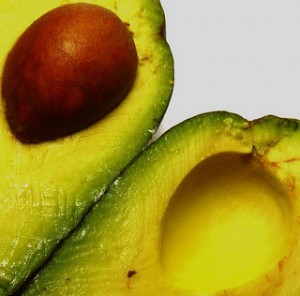 We've all seen the avocado at the grocery store or at your favorite Mexican restaurant, but doctors are now stressing the importance and benefits of the avocado that go far beyond being just an ingredient in guacamole.
Some of these benefits include:
- Avocados have been shown to inhibit the growth of prostate cancer.
- Avocados have more of the carotenoid lutein than any other popular fruit. Lutein protects against macular degeneration and cataracts, two age-related eye diseases.
- The high levels of folate in avocado are also protective against strokes. People who eat diets rich in folate have a much lower risk of stroke than those who don't.
- Avocados are the best fruit source of vitamin E, an essential vitamin that protects against many diseases and helps maintains overall health.
- Avocado is high in oleic acid, which has been shown to prevent breast cancer in numerous studies.
- The vitamin E, monounsaturated fats, and glutathione in avocado are great for your heart.
Enjoy a full years subscription of Healthy Revelations and discover life-changing health secrets you won't find anywhere else.
- $240 Yearly Value
- How To Lose Weight Fast
- Healthy Eating
- Stress Relief
- Disease Prevention
- Doctor Recommendations
- Seasonal Health Tips
- And More...