
Enjoy a full years subscription of Healthy Revelations and discover life-changing health secrets you won't find anywhere else.
- $240 Yearly Value

- How To Lose Weight Fast
- Healthy Eating
- Stress Relief
- Disease Prevention
- Doctor Recommendations
- Seasonal Health Tips
- And More...
Nutrition Articles
The Many Health Benefits of Honey
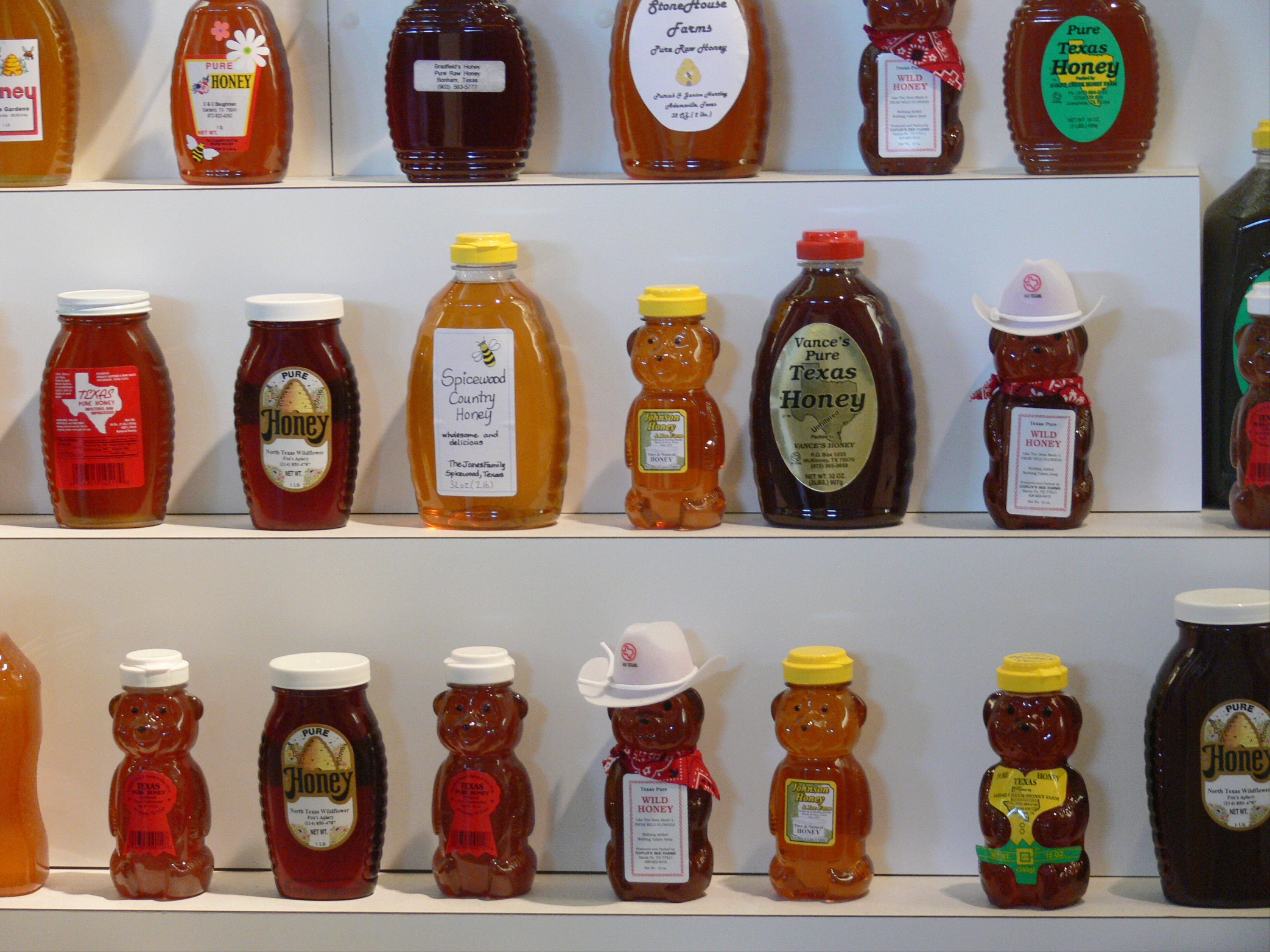 Honey is more than that great tasting, sweet syrup you bought from your local grocery store. It can give you more than that, health benefits and all.
Honey is made by bees. For bees to be able to make honey, they need to swallow, digest and regurgitate nectars. These nectars contain more than 600 compounds making it very valuable to health. Thus honey has been nicknamed, liquid gold—very apt for its benefits.
Honey can be raw or filtered. Raw honey is at its purest form, not filtered nor strained or heated above 115 Fahrenheit. Commercial honey varieties however were processed that many of its beneficial compounds and enzymes are destroyed or lessened.
Today honey is being integrated into daily diets and even in modern medicine. Yes, honey has a medicinal value which has been discovered way back in time in traditional medicine settings. The many health benefits of honey include its anti-bacterial properties which has been known to humankind back 5,000 years ago.
When Sweet isn't Bad News
We've always known that too much sweet may be bad news for your system, say hello to diabetes. Yes, toxic processed sweeteners can be bad but natural and delicious array of natural sweetener from nature has been changing that.
And doctors advice? When on a sweet binge, try to reach for honey or when sweetening your food, have some honey poured in it instead of sugar.
It boosts Immune System. Since honey is loaded with vitamins, enzymes and lot of minerals, it can help boost immune systems' health and keep it awake against possible unhealthy attacks. Conditions such as flu, coughs and sore throats can be kept at bay by honey.
Can Help You Lose Weight. It may sound farfetched to some but it has been proven. You can have warm water with lemon and a dash of honey in the morning to detoxify. And it has been a craze for about some time even among celebrities. It can cleanse your liver; flush out toxins as well as fat from the body.
Heart Risk reduction. Honey mixed with cinnamon can help reduce cholesterol in the heart thus reducing heart disease risk. You can have it every day to stop serious attacks.
Aids in Digestion. Honey has antiseptic properties which can relieve hyperacidity attack in the stomach and can alleviate indigestion problems. It can help aid in gas problems and can soothe stomach in case you overeat.
Keep your Energy High. Honey is filled with sugar, the healthy one of course, which can be a compound that can energize your body and help you get through a tough day. Honey can help you fight fatigue and a good alternative against coffee.
Clears Your Skin. Honey also has some anti-microbial properties. It has been proven to ease pimple problems when applied topically in the face. A honey left in the face overnight can help clear skin out in the morning it can also be of help for skin conditions such as ring worm, psoriasis and eczema since it can relieve dryness and stop inflammation.
Ease Anxiety. Honey can calm the mind and can ease anxiety.
It can slow down aging. Aging and other external factors can deplete enzymes in the body. But honey can help slow down these aging processes by the ingestion of amylase. It can help restore damaged skin and make you look younger.
With these sweet benefits, you may try to look at honey now not only as a food, a sweetener but a health aid as well. So yes, better start packing up those artificial sweeteners and move into this sweeter and healthier treat.
By Photo: Andreas Praefcke (Own work (own photograph)) [GFDL (http://www.gnu.org/copyleft/fdl.html) or CC-BY-3.0 (http://creativecommons.org/licenses/by/3.0)], via Wikimedia Commons
Natural Ways to Curb Your Appetite and Keep You Slim and Healthy
 Our bodies have a natural attraction to things: beautiful scenery, the fragrant scent of flowers, a gorgeous face and body. But more often than not, people will have an attraction of food. Individuals may have varied appetites, but in common they would have an attraction to sweet food.
Our sweet cravings can be attributed to the presence of sugar and other carbohydrates, which stimulates the release of serotonin, the brain chemical that gives the feeling of satisfaction. However, when it's overdone, it can lead to unsatisfying results. Excessive sugar intake can convert into fat which can add weight to your body.
So, how do you reduce your cravings for sugar and other foods that can make you fat? How can you keep yourself slim and healthy? Check out these natural and safe ways to help you curb your appetite.
1) Know what triggers your appetite. Is it your stress at work or school? Is it because you're too happy or too sad? Is it because you get a trigger from a particular kind of food? If you are able to know what triggers your cravings, you are more than ready to take the next step.
2) Don't give in to your cravings! If you feel a certain kind of food is triggering your appetite, and eating them makes you feel bad, throw them away.
3) Eat some nuts! Healthy nuts like peanuts, almonds, pecans and cashews can be a great snack in between meals. Nuts were shown to reduce the feeling of hunger, but it takes in effect after an hour, so watch how much nuts you have eaten.
4) Reach around for fruits. Fruits like apples, oranges, pineapples and grapes not only have natural sugars on them, but you can also get fiber and nutrients from them. Try to bring fresh fruits instead of the sugary stuff.
5) Have soup on your every meal. Studies from the Pennsylvania State University have shown a bowl of chicken soup served before lunch significantly makes one feel fuller. These can help them consume 100 calories less than having only eaten the main course. Choose broth-based soups over cream-based soups. You may add chunks of vegetables, bits of meats or noodles into the soup to make you feel fuller longer.
6) Do a walk when the sugar rush hits you. When a craving for sweets has hit you, do yourself a favor to walk around the place to let the thought not get into your mind. It also helps you stimulate your body for a little exercise. You can also do breathing and stretching exercises that promote relaxation so you don't get anxious for not satisfying your sweet cravings.
7) Quench your appetite with coffee. The caffeine in coffee doesn't only perk you up, but can also save calories by stimulating your appetite. Just reduce the amount of cream and sugar on it, or simply go have a cup of black brewed coffee.
8) Have regular oral hygiene. Brush your teeth, and rinse with mouthwash. It keeps you less thinking of ruining your minty fresh breath.
9) Get a kick of fiber with oatmeal! Oatmeal, with its filling thick texture, is rich in beta-glucan, a kind of soluble dietary fiber that helps flush out excesses from your digestive tract. Soluble fiber also lowers cholesterol levels for a healthy heart.
10) As always, don't forget to live an active lifestyle to keep your energy levels up.
Surprising Egg Facts
 Too much of a good thing is bad. And when it comes to eating healthy, even the healthiest food could have a negative effect on your health. Take for example eggs. This food has been demonized and has received it fair share of flak. It has been labeled as a leading source of cholesterol and is responsible for many of the cardio vascular diseases we see today.
But eating healthy does not necessarily mean eliminating an entire food group. Even eggs have health benefits and depriving ourselves of this food entirely could have negative effects on our health as well.
Cholesterol
Cholesterol was believed to be a leading cause of heart diseases. It is responsible for clogging arteries and disrupts the normal flow of blood to the body. However, even cholesterol plays an essential role in keeping the liver and other organs healthy.
Egg contains a fairly generous of fat. But this is unsaturated fat which could also be considered as good fat or HDL cholesterol. LDL on the other hand is a type of cholesterol responsible for clogging blood vessels. HDL serves to remove LDL from artery walls and clear it.
Eggs could be a healthier alternative compared to sources of animal protein that contain large amounts of saturated fat. Many experts remain divided on how many eggs should an adult take daily. Some have been generous and pegged it at two as part of a healthy diet. Studies have even shown that people with elevated LDL cholesterol did not increase their risk for heart disease when eating eggs regularly.
The Good Side of Eating Eggs
Eggs are a rich source of nutrients. They contain a good amount of Vitamin B12, selenium, iron, choline, and other essential nutrients. These also are good sources for antioxidants that lower a person's risk for cancer. Eggs that are sourced from free-range chickens are healthier.
Eggs are rich sources of protein. It is one of the healthiest and richest sources of protein.
The protein in egg whites is very easily utilized by the body, and is considered one of the best forms of natural protein available. It is often used by body builders or athletes as a source of protein, as it provides a high ratio of protein to calories with very little to no fat.
While eggs are not free of cholesterol, eating them does not raise cholesterol levels or increase the chances of heart disease. Eggs are a good addition to a healthy diet and can provide many benefits to those who eat them.
Eggs can be good for your heart
The American Journal of Clinical Nutrition found that eating eggs helped maintain healthy blood pressure. Scientist further discovered that egg yolks contain tyrosine and tryptophan, two essential amino acids. Eggs are also twice as much richer in antioxidants compared to apples. However, frying or boiling eggs decreases the number of antioxidants by half.
Eggs today are healthier compared to those produced three decades ago. This is due to healthier feeds being supplied to farms. Eggs produced today contain twice the amount of Vitamin D and selenium. A single egg also contains 13 essential vitamins.
How many is too many
Surprisingly, the British Department of Health says that people could eat as many eggs as they want. However, this should be part of a healthy diet. Those who have a family history of high cholesterols are advised to check their egg intake. People who eat eggs daily are also advised to exercise daily.
Eggs contain twenty percent lesser fats, ten percent less cholesterol and thirteen percent fewer calories.
Image credit: freedigitalphotos.net
Improving Brain Functioning through Healthy Eating
 You can't deny the fact that as we age, our body ages right along with us. Research shows that you can increase your chances of maintaining a healthy brain if you add “smart” foods to your daily regimen.
Blueberries
Studies shows that blueberries help protect the brain from oxidative stress and may reduce the effects of age-related conditions like Alzheimer's disease or dementia. Diets rich in blueberries also improved both the learning capacity and motor skills of aging rats, making them mentally equivalent to younger rats, as shown in some studies. Researchers also recommend adding at least 1 cup of blueberries a day in any form.
Wild salmon
Salmon, a deep-water fish is rich in omega-3 essential fatty acids, which are essential for brain function. Wild salmon is recommended for its “cleanliness” and it is in plentiful supply. Anti-inflammatory substances are also found in omega-3s. Sardines and herring also provide the benefits of omega-3. A 4-ounce serving, two to three times a week is recommended.
Nuts and seeds
Nuts and seeds are foods rich in vitamin E. Higher levels of vitamin E correspond with less cognitive decline as you get older. An additional ounce a day of walnuts, hazelnuts, brazil nuts, filberts, almonds, cashews, peanuts, sunflower needs, sesame seeds, flax seed and unhydrogenated nut butters such as peanut butter, almond butter, and tahini.
Avocados
In promoting brain health, avocados are almost as good as blueberries. Avocado is a fatty fruit, a monounsaturated fat that contributes to healthy blood flow. It also lowers blood pressure. Add ¼ to ½ of an avocado to one daily meal as a side dish because avocadoes are high in calories.
Whole grains
Whole grains like oatmeal, whole-grain breads, and brown rice can reduce the risk for heart disease. Whole grains release glucose slowly into bloodstream that keeps you mentally alert throughout the day.
Beans
Beans stabilize glucose levels. The brain is dependent on glucose for fuel and it can't store the glucose as it relies on a steady stream of energy that beans can provide. Add ½ cup of lentils and black beans every day.
Pomegranate juice
This fruit offer potent antioxidant benefits that protect the brain from the damage of free radicals. Citrus fruits and colorful vegetables are on the list of the “brainy” foods because of their anti oxidant properties. Approximately 2 ounces is recommended daily diluted with spring water or seltzer.
Freshly brewed tea
Hot or iced, two to three cups a day of freshly brewed tea contains a modest amount of caffeine. It can boost brain power by enhancing memory, focus and mood. It also has potent antioxidants, which promotes healthy blood flow. Tea bags do count too.
Dark chocolate
This food has a powerful antioxidant properties, contains several natural stimulants that includes caffeine, which enhance focus and concentration and it stimulates the production of endorphins, which helps improve mood. To provide all the benefits you need, take one-half ounce to 1 ounce a day. You have to do this in moderation.
Healthy Foods that Keeps Hair Strong and Shiny
 Having healthy glowing skin and a swimsuit perfect figure are one of the top priorities when it comes to keeping ourselves looking young and healthy. But having a healthy body does not stop with this, equally important is how we keep our hair shining especially during those harsh summer days. If you feel that your hair is a bit dull or dry then you should start taking better care of them. Our hair plays an important role in our overall look just like our skin or figure. You don't have to go to the hair salon just to keep it shining. Below are some must have foods to keep our hair looking shiny and fit.
Meat and Eggs
Meats and eggs play an important role in maintaining our hair's health. These are rich sources of protein which is essential in hair growth and decreases hair fall. Those suffering from weak and brittle hair could also improve their hair condition by increasing their protein intake. The hair is also a good indicator of poor nutrition especially protein deficiency. Increasing our intake of eggs, chicken and dairy products can have a significant effect in addressing hair problems such as fall and breakage.
Green Vegetables
Here's another good reason to eat green vegetables. The benefits of eating vegetables go beyond disease prevention. It is also essential for keeping our skin and hair shiny and healthy. You can never go wrong with eating green vegetables. It is rich in iron, calcium and Vitamins A and C. Green vegetables are vital for sebum production, cell growth and hair regeneration. It also keeps our hair glowing and shiny.
Whole grain foods
Whole grain foods are rich sources of Vitamin B1, B2 and B6, zinc and fiber. Whole grain foods include flour, rice, cereals and bread. This type of food is essential in providing nourishment vital for the scalp and follicles. If you're having problems bringing back that shiny glow to your hair then including whole grains in your diet could improve its looks. Whole grain foods also promote healthy digestion. This means more nutrients for your skin and hair to keep them healthy.
Fish
Fish is an excellent source of Vitamins D and E and of course omega 3 acids. Many of today's hair products contain omega-3 which has been proven to be effective in promoting hair growth and regeneration. It keeps the scalp healthy and makes hair shiny. A healthy scalp is important in maintaining hair quality. A diet that includes fish keeps the scalp clean and healthy.
Legumes
Some people suffer from brittle hair. This makes it hard to comb and prone to breakages. This is probably a sign that you are suffering from biotin deficiency. Legumes could quickly help this condition and increase your body's supply of biotin. Legumes which include soy, lentils and beans contain large amounts of biotin for maintaining health strength. This is also rich in zinc and iron for hair strength and flexibility.
Avocados
Here's one secret to having shiny, healthy hair. Avocados mixed with eggs make an excellent hair treatment potion. Including avocados in your regular diet ensures that you enjoy healthy shiny hair all the time.
Nuts
Nuts make excellent snacks. Cashews, almonds, walnuts are rich in zinc and selenium that prevents hair loss and breakage. This is great for people who might be suffering from thin and brittle hair. Keep your hair healthy by making nuts your favorite snack.
Image credit: freedigitalphotos.com
Enjoy a full years subscription of Healthy Revelations and discover life-changing health secrets you won't find anywhere else.
- $240 Yearly Value
- How To Lose Weight Fast
- Healthy Eating
- Stress Relief
- Disease Prevention
- Doctor Recommendations
- Seasonal Health Tips
- And More...