
Enjoy a full years subscription of Healthy Revelations and discover life-changing health secrets you won't find anywhere else.
- $240 Yearly Value

- How To Lose Weight Fast
- Healthy Eating
- Stress Relief
- Disease Prevention
- Doctor Recommendations
- Seasonal Health Tips
- And More...
Nutrition Articles
Food 101: Choosing a Safe Fish
Whether you celebrate the feast of seven fishes on Christmas Eve, or if you are just looking to eat healthier, many people will be checking out the seafood aisles this season. While choosing the perfect fish can be a little confusing at times, it boils down to choosing a fish with the least amount of mercury. Mercury in fish has been linked to brain and nervous system damage. Here are some ways to keep your mercury levels in check:
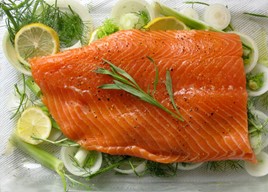 Selecting a Safe Fish
- Pass on shark, swordfish, king mackerel, and tilefish as these fish have longer life spans and tend to eat other fish, absorbing the mercury in their prey.
- Eat approximately 12 ounces a week of canned light tuna, Pollock, salmon and catfish because they tend to have a shorter life span and feed on aquatic plants, worms and insects.
Check out your state's website to determine how mercury-laden the local fish can be.
Food for Thought: Thanksgiving Calorie Calculator
Avoid packing on the pounds this holiday season by figuring out how many calories are in your favorite meals using this handy, holiday calorie list.
 Thanksgiving Calorie Counter
Salads and Appetizers:
3 cups salad (with light dressing): 100 calories
½ cup JELLO with fruit: 120 calories
½ cup Waldorf salad: 110 calories
1 cracker with cheese: 70 calories
½ cup mixed raw vegetables: 25 calories
½ cup mixed nuts: 440 calories
1 oz. tortilla or potato chips: 150 calories (75 extra calories per tablespoon of dip)
Main Course:
6 oz. cured ham: 300 calories
6 oz. white and dark turkey: 340 calories
½ cup stuffing: 180 calories
½ cup cranberry sauce: 190 calories
½ cup mashed potatoes: 150 calories
½ cup gravy: 150 calories
½ cup green bean casserole: 225 calories
½ cup candied sweet potatoes: 150 calories
1 dinner roll: 110 calories (45 extra calories with one pat of butter)
Drinks:
1 mixed drink: 250 calories
1 glass of wine: 120 calories
1 glass of cider: 120 calories
1 cup eggnog: 343 calories
Desserts:
2 small chocolate chip cookies: 150 calories
1-piece apple pie: 410 calories
1-piece pecan pie: 480 calories
1-piece pumpkin pie: 180 calories
½ cup whipped cream: 75 calories
½ cup ice cream: 145 calories
Leftovers:
1 turkey sandwich with mayo and cranberry sauce: 450 calories
1 open-face turkey sandwich with stuffing and gravy: 290 calories
Eating Healthy: Spotlight on Turkey
It's that time again for Thanksgiving and while Americans eat it nearly every year to celebrate Thanksgiving, how much do you know about turkey?
- Turkey is very low in fat and high in protein. It is also a good source of iron, zinc, phosphorus, potassium and B vitamins.
- The fat and calorie amounts vary because white meat has fewer calories and less fat than dark meat and skin.
- Turkey is also naturally low in sodium. It typically contains less than 25 milligrams (mg) of sodium per ounce on average.
 Healthy Turkey Recipes
Recipe: Turkey Chili
2 cups chopped onion
4 garlic cloves, chopped fine
1 cup chopped green pepper
¼ cup olive oil
2 (35 oz.) cans stewed tomatoes, crushed
2 (15 oz.) cans kidney beans, drained
2 tablespoons tomato paste
¾ cup chicken or turkey stock
2 tablespoons chili powder
1 tablespoon ground cumin
1 tablespoon dried hot red pepper flakes
1 teaspoon dried oregano
1 tablespoon salt, plus more if desired to taste
½ teaspoon black pepper
3 to 4 cups shredded, cooked turkey meat
Sugar
Shredded cheddar cheese, chopped red onion, sour cream for optional garnishes
In a large, 8-quart thick bottom pot, cook the onion and green pepper over medium heat, stirring until golden, about 5 minutes. Add the garlic, chili powder, cumin, and red pepper flakes, and cook, stirring, for a minute or two more. Add a bit more olive oil if needed. Add tomatoes, tomato paste, stock, beans, oregano, salt, pepper and cooked turkey meat. Bring mixture to a simmer and reduce heat to low. Simmer uncovered for an hour.
Recipe: Creamed Turkey
3 tablespoons butter
¾ cup sliced mushrooms
3 tablespoons flour
1 ½ cups milk
½ cup hot chicken broth
1 small jar diced pimento, drained
4 cups diced cooked turkey
Salt and pepper, to taste
Melt butter over medium-low heat. Sauté mushrooms until golden and tender. Add flour; stir until smooth. Slowly pour on milk and broth, stirring constantly, until thickened and bubbly. Add pimiento, turkey, salt and pepper. Cook until heated through, but do not boil. Serve with rice or toast.
Food for Thought: Halloween Hangover- Avoid the Sugar Rush this Holiday
Long gone are the days when young trick or treaters travel from door to door getting fruit and popcorn from their neighbors. Instead, the new “normal” is to give out as much candy as possible and at the end of Halloween night the children's bags are chock full of sugar-filled, unhealthy items.
Nutrition experts (and dentists) cringe every time October 31 rolls around, but this year parents can not only do their part in giving out healthier treats, but they can also be sure to monitor what their children are eating, too. We all know that too much sugar is bad for anyone, but do we know what effects too much sugar can have on our children? Nutrition experts offer the following points:
 Avoid Halloween hangover
- Children that consume too much sugar and too many carbs, can suffer from hypoglycemia causing fatigue, poor concentration, mood swings and frequent illness.
- Too many “empty calories” can mean that children aren't getting the nutrients they need on a daily basis.
- Recent research has shown that more than 20% of school-aged children are obese and more than 50% are overweight.
- Too much sugar can cause chronically elevated blood insulin levels triggering inflammatory problems and elevated cholesterol.
Now don't get us wrong, this Halloween doesn't have to be all “doom and gloom” when it comes to having a few treats.
Parents need to be very careful in monitoring what their child puts into their mouth and how often they are turning to sugary items. Ration the sugary products over a longer period and incorporate them with a protein snack.
Having a protein, especially before the sugar snack, will slow and reduce the rate and quantity of insulin secreted by the pancreas, thereby reducing many of the risks stated above.
Here is to a Healthy and Happy Halloween.
In the News: How to Lose Weight This Fall
Fall can be a time of festivals, pumpkin patches, get togethers, football games and many more events where food plays a huge role in the activities of the day. If you are like most people you want to watch what you eat during the fall season, as you know that the holidays are just around the corner : which means more overeating!
 Weight loss tips for this fall
But even though fall is synonymous with fattening foods there are some fall food items that can help you to slim down.
One of these foods is the apple. Apples are low in calories and high in fiber (95 calories and 4 grams of fiber per medium fruit) and are great tasting! In a recent study, dried apples have been found to help people lose weight and lower their cholesterol.
Another great fall slimming food is the squash (and who doesn't love squash from butternut to acorn?) Just one cup of cooked squash packs 214 percent of the recommended daily value for vitamin A and a third of your recommended daily dose of vitamin C. Squash are also only 80 calories per cup :compared to its more fattening fall friend the sweet potato at 180 calories per cup.
Broccoli is another great fall slimming food : a cup of broccoli is just 31 calories and 2.4 grams of fiber. Plus, experts say that when you add fresh vegetables to any food you tend to eat fewer calories so you can add broccoli to virtually any meal to decrease your caloric intake.
Lastly, there is kale. These days dark, leafy vegetables like kale is the go-to when you are talking about healthy foods. Kale is packed with vitamin A, loads of fiber and isothiocyanates that help your body to detoxify.
Enjoy a full years subscription of Healthy Revelations and discover life-changing health secrets you won't find anywhere else.
- $240 Yearly Value
- How To Lose Weight Fast
- Healthy Eating
- Stress Relief
- Disease Prevention
- Doctor Recommendations
- Seasonal Health Tips
- And More...