
Enjoy a full years subscription of Healthy Revelations and discover life-changing health secrets you won't find anywhere else.
- $240 Yearly Value

- How To Lose Weight Fast
- Healthy Eating
- Stress Relief
- Disease Prevention
- Doctor Recommendations
- Seasonal Health Tips
- And More...
FEATURED ARTICLES
- Details
- Written by Lisa Jillanza
So, you have been working out and eating right, but you still can’t get that scale to move in the right direction? Well, there may be a “strange” reason why you are gaining weight instead of losing weight.

Here are three strange factors that could cause you to be gaining weight, even though you are doing everything you can to lose weight:
- If you are depressed and taking medication for it, you can expect to see about a 5 to 15-pound weight gain, with accumulated weight gain the longer you are on medication. Even if you are not taking medication, if you are depressed you can still be causing unnecessary weight gain because people that are depressed typically turn to “comfort” foods like foods high in fat and calories or they may cut back on physical activity.
- If you have digestive issues, like having slow bowel movements, you may be gaining weight from that. Ideally, you should eat and then in an hour or two, have a bowel movement. To be considered “regular” you should have one to two bowel movements per day. Staying hydrated is important to become regular and having a diet rich in fiber is also important.
- If your body is low on vitamin D, magnesium or iron, then your body’s immune system can be comprised, your energy levels may be decreased, or your metabolism may be altered in a way that makes it much harder to maintain a healthy lifestyle. You can increase your red meat and spinach intake to help improve your iron levels and improve your magnesium levels by eating more almonds or Brazilian nuts. Add a supplement of vitamin D to get that all-important vitamin.
- Details
- Written by Lisa Jillanza
It seems that one of the most asked questions these days is high fructose corn syrup worse for you than regular sugar. Well, according to studies, last year alone Americans consumed 27 pounds of high fructose corn syrup, after all it can be found nearly everywhere including the fruit on the bottom of your yogurt and in many whole wheat breads.
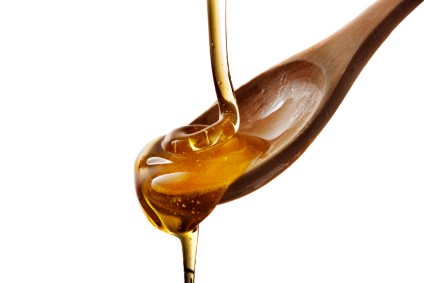
While that number is down from the 37.5 pounds consumed per person back in 1999, it seems that most Americans are filling in those remaining calories and pounds by adding in good old-fashioned sugar.
Normal table sugar is made up of 50 percent fructose and 50 percent glucose. But since fructose is sweeter than glucose many manufacturers increased the ratio, to inexpensively hook their consumers. High fructose corn syrup contains 55 percent fructose and 45 percent glucose.
Because it is sweeter, people who eat foods high in high fructose corn syrup it may cause overeating and weight gain. Studies have also shown that high fructose corn syrup may also contain varying amounts of mercury.
The Institute for Agriculture and Trade Policy stated that “mercury was present in nearly a third of 55 popular brand name food and beverages in which high fructose corn syrup was the first or second ingredient on the label.”
It is important to be a good label reader and avoid foods that list high fructose corn syrup as an ingredient on the label. Even if an item is marked “natural” or in the health food aisle, it still can contain high fructose corn syrup as a main ingredient.
Even though table sugar isn’t as bad for you as high fructose corn syrup, it can still wreak havoc on your diet and weight loss goals. Indulge in sugary items as a treat or only on special occasions, instead of at every meal.
- Details
- Written by Lisa Jillanza
If you are looking to “get fit” in 2026, take these three self-tests to find out how fit you are first!

- How are your muscles? Do some push-ups. A 30-year old man should be able to 35 push-ups while a 30-year old woman should be able to do 45, while her knees are on the floor. For every decade after 30, the number of push-ups decreases by 5 for each gender.
- How is your flexibility? Sit on the floor with your legs straight in front of you, slightly apart. Extend your arms placing your one hand on top of your other hand, fingertips forward and reach for the space in between your feet. Women under the age of 46 should be able to reach at least two to four inches past your feet. Older women should be able to reach the soles of their feet. Men under the age of 46 should be able to reach the soles of their feet. Older men should aim to be within three to four inches of their soles.
- What’s your heart rate? Begin by exercising for 18 minutes at 80 to 85 percent of your maximum heart rate – for men, 220 minus your age; for women, 208 minus .82 times your age. Then exercise all out for three minutes. Check your pulse. Rest for two minutes and then check it again. Your heart rate should have dropped by at least 66 beats. The faster it drops the more fit you are.
- Details
- Written by Lisa Jillanza
- Cranberries contain high amounts of vitamin C, fiber, and antioxidants. They also include only 45 calories per cup.
- Cranberry’s juice can be used for the prevention of urinary tract infections and bacterial adhesion in the stomach.
- The same bacteria preventing ability of the cranberry juice can avert the formation of plaque, which leads to fewer cavities.

Recipe: Easy Cranberry Bread
- 2 cups sifted all-purpose flour
- 1 cup sugar
- 1 1/2 teaspoons baking powder
- 3/4 teaspoon salt
- 1/2 teaspoon baking soda
- 1/4 cup butter
- 1 egg, beaten
- 1 teaspoon finely grated orange rind
- 1/2 teaspoon grated lemon, rind of
- 3/4 cup orange juice
- 1 3/4 cups cranberries, chopped
Preheat oven to 350 degrees. Sift flour, sugar, baking powder, salt, and baking soda into a large bowl. Cut in butter until the mixture is crumbly. Add egg, finely grated orange peel, lemon peel, and orange juice all at once; carefully stir until the mixture is evenly moist. Fold in cranberries. Spoon and spread evenly into a greased 9x5x3-inch loaf pan. Bake for 55-65 minutes, or until a toothpick inserted in the center comes out clean. Remove from the pan and cool on a wire rack.
Recipe: Cranberry Sauce
- 1 cup sugar
- 1 cup water
- 4 cups (1 12-oz package) fresh or frozen cranberries
- Optional: Pecans, orange zest, raisins, currants, blueberries, cinnamon, nutmeg, allspice.
Place the cranberries in a colander and rinse them. Pick out and discard any damaged or bruised cranberries. Put the water and sugar in a medium saucepan on high heat and bring to a boil. Stir to dissolve the sugar. Add the cranberries to the pot and return to a boil. Lower the heat and simmer for 10 minutes or until most of the cranberries have burst. Once the cranberries have burst you can leave the cranberry sauce as is or dress it up with other ingredients. We like to mix in a half a cup of chopped pecans with a few strips of orange zest. Some people like adding raisins or currants, or even blueberries for added sweetness. You can also add holiday spices such as cinnamon, nutmeg, or allspice. Remove the pot from heat. Let cool completely at room temperature, then transfer to a bowl to chill in the refrigerator.
- Details
- Written by Lisa Jillanza
Whether you celebrate the feast of seven fishes on Christmas Eve, or if you are just looking to eat healthier, many people will be checking out the seafood aisles this season. While choosing the perfect fish can be a little confusing at times, it boils down to choosing a fish with the least amount of mercury. Mercury in fish has been linked to brain and nervous system damage. Here are some ways to keep your mercury levels in check: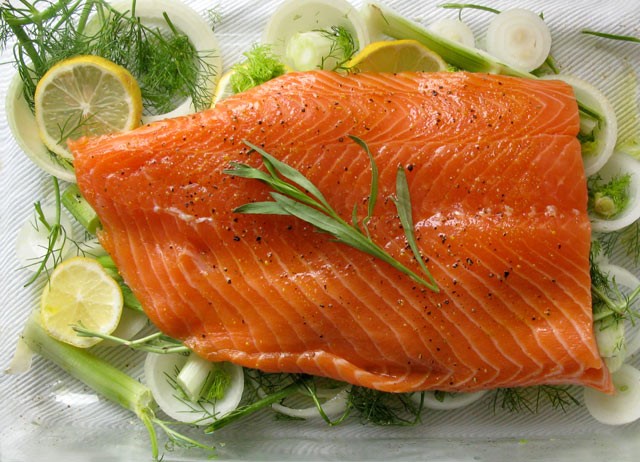
- Pass on shark, swordfish, king mackerel, and tilefish as these fish have longer life spans and tend to eat other fish, absorbing the mercury in their prey.
- Eat approximately 12 ounces a week of canned light tuna, Pollock, salmon and catfish because they tend to have a shorter life span and feed on aquatic plants, worms and insects.
- Check out your state’s website to determine how mercury-laden the local fish can be.
Enjoy a full years subscription of Healthy Revelations and discover life-changing health secrets you won't find anywhere else.
- $240 Yearly Value
- How To Lose Weight Fast
- Healthy Eating
- Stress Relief
- Disease Prevention
- Doctor Recommendations
- Seasonal Health Tips
- And More...