Enjoy a full years subscription of Healthy Revelations and discover life-changing health secrets you won't find anywhere else.

  • $240 Yearly Value
Topics covered include:
  • How To Lose Weight Fast
  • Healthy Eating
  • Stress Relief
  • Disease Prevention
  • Doctor Recommendations
  • Seasonal Health Tips
  • And More...

Keeping Osteoarthritis Away with Healthy Eating

Written by Lisa Jillanza

Healthy Diet Osteoarthritis is a medical condition that is mainly caused by lifestyle factors. These include unhealthy eating, sedentary lifestyle, over weight problems and previous injury. Osteoarthritis is highly preventable and all it takes is living a healthy lifestyle. One simple way is to start eating a healthy diet to help prevent or manage osteoarthritis.

Dietary supplements, information on osteoarthritis fighting foods and other natural treatments are also readily available to help people fight off this disease. Getting the right nutrients into your body is just one of the ways to minimize your risk for developing osteoarthritis. However, working with your doctor to develop a prevention or treatment plan still remains to be the way of keeping this disease at bay.

Building Stronger Bones and Cartilages

Vitamin C rich food is essential in developing a diet designed to prevent osteoarthritis. Vitamin C is an important nutrient responsible for building collagen and proteoglycans. These are the building blocks for stronger cartilage which helps cushion the joints. Vitamin C rich foods also contain powerful antioxidants that prevent toxin buildup in the joints that can damage the cartilage.

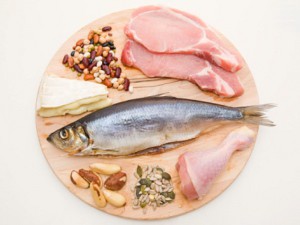
Fruits and vegetables are definite staples when it comes to osteoarthritis preventing diets. Eating a variety of frozen, dried and fresh fruits is a must but also keep fruit juices to a minimal since these contain large amounts of sugar. The recommended amount of vitamin C for example could easily be reached by eating an orange, a large banana, a quarter of dried peaches or other dried fruits. Another essential food group includes nuts and seeds and fish. These are healthy sources of protein but do not contain the same high levels of fat seen in poultry or animal meat. Regular diets can easily provide much needed proteins but the trick is to get this from healthy sources. Fish and calamari for example contain Omega 3 essential fatty acids which has anti-inflammatory properties. Other ways of minimizing fats in your diet are boiling, grilling or baking. Cooking oils could also be replaced with healthier alternatives such as flaxseed and olive oils.

Eating dark green and orange vegetables are important for preventing osteoarthritis. The recommended amounts of daily intake may depend on a person's age, activity levels and gender. However, adults in general are advised to eat two to three cups of vegetables daily. Broccoli, spinach, sweet potatoes, carrots, peas, squash and beans are ideal.

Calcium is essential for building strong and healthy bones, which is important for preventing joint damage. Make drinking milk healthier by choosing low or no-fat milk. Adults are advised to drink three cups of dairy daily.

Foods to Look out For

There's no shortage of information regarding the types of foods that could prevent or manage osteoarthritis. Eating a healthy and well balanced diet for example is not only great for reducing our risks for osteoarthritis but also for keeping us healthy in general.

One of the simple rules when it comes to healthy eating is to eat less as we grow older. We must not forget that factors for developing osteoarthritis are weight problems. A heavier weight means more pressure on the joints so be sure to avoid that. Changes associated with aging include slowing metabolism. You might be eating the same food amounts but the body is unable to burn fats effectively.

People who are suffering from osteoarthritis are advised to stay away from unhealthy and fatty foods. Keeping your weight within ideal limits minimizes the pressure, wear and tear on your joints. Fat can also increase your chances of inflammation which can worsen joint inflammation.

Stay clear from foods that contain large amounts of simple refined carbohydrates, saturated fats and trans-fats. Processed foods, fast foods, fried and sweets are also good candidates for increasing your risk for osteoporosis.

Animal meat and eggs contain saturated fat which can have negative effects on our health when taken in great amounts. It does not only increase your risk for osteoarthritis but also makes you susceptible to cancers and cardiovascular diseases. These foods also contain rich amounts of Omega 6 which if left unchecked could increase the pain and inflammation in the joints.

Eating a healthy and well balanced diet is important for preventing osteoarthritis. A diet that includes fruits, vegetables, lean meat, fish and complex carbohydrates is perfect for reducing your risk for osteoarthritis. It is a good diet that helps you maintain your ideal weight.

Switch to “good fats” or unsaturated fats. Polyunsaturated and monounsaturated fats are rich in antioxidants that can clear the joints from damaging toxins. Foods that are rich in vitamin C are good for strengthening the bones and cartilages. Improving the strength in the joints and prevents injuries.

The Healthy Way to Keep Diabetes Away

Written by Lisa Jillanza

Healthy Diet Your most recent visit with your physician confirmed you have diabetes.  As an effort to fight off this illness, you educate yourself with useful information.  But in your search for aid, you stumbled upon tons of materials that lead you to false promises.  You must now turn to natural ways to fight off this unnatural condition.

Bad carbs

Start your battle by eliminating bad carbohydrates.  Avoid foods that contain white flour and refined white sugar.  They have been stripped of its essential nutrients.  These foods are the culprits for the increase in numbers of obese people over the past few decades.

Another type of sugar that contributed to American obesity rates is High fructose corn syrup or HFCS.  This carbohydrate ispresent in almost all frozen foods and baked goods.  You may also find this in sugary drinks.

As a solution to this, read the labels in every item before you toss it to your grocery cart.  Purchase items without HFCS.  Pick foods that have been sweetened with natural products.

Good fats

Another item to add in your diabetes check list is food items that are rich in omega 3 fatty acids.  This includes albacore tuna, halibut, herring, calamari and squid oil and your favorite fish salmon. 

Must Not Miss Nutrients - Get that Healthy Body

Written by Lisa Jillanza

eating healthy How do you define a good meal? Is it a serving of fries followed by a quarter pounder burger? Is it that deliciously smelling bacon along with other “nutritiously” processed food that you are regularly having every morning? Well, even these types of foods spell comfort to you and definitely satisfy your appetite, you still have to be wary of your intake. Preservatives and too much calories are not friends especially if you aim for a healthy lifestyle.

Some food may be bland for our taste, but their health benefits are ultimately essential keep us going for the rest of the day. The human body needs a balanced eating plan to serve the best of its function, so if we are eating a diet that completes of our daily nutritional requirements, we are having enough nutrition in store to:

  • Heal and repair.
  • Boost immunity to fight against infections.
  • Grow and build muscles and bones.
  • Stay fit and healthy.

Eating various food groups can also reduce the risk of illnesses such as heart problems, cancers, stroke, join-related diseases, and diabetes. A good diet partnered with regular exercise can also slow down aging and keep the body's youthful glow for a better physical appearance.

When ensuring a healthy diet, we have to go back to our basic food groups our health teachers and nutritionists had been discussing since elementary years. Though many of us are fully aware of them, we tend to forget these basics since that there already are limitless selections for available in the food stores. Let's have a quick recap of the essential nutrients that we should never miss out in our diet.

Fruits: An apple a day keeps the doctor away is not a famous saying for nothing and it also applies in different types of fruits. Fruits are free of cholesterol, and are naturally low in fats and calories. It is packed with Vitamin C that is essential for our daily immunity boost.

Tip - Try adding a banana or mixed fruits in your daily oatmeal or cereal for breakfast. With all the types of foods

Vegetables: Vegetables like fruits are a fat-free source of nutrients.  Having a good amount for veggie intake daily can give you potassium, dietary fiber, folic acid, Vitamin A, Vitamin E, and Vitamin C and the important mineral Selenium.

Tip : Since veggies can be eaten raw or cooked, you can incorporate it in your diet as a healthy snack. Vegetable salads are great appetizer and can also be a filling for sandwiches. There are plenty of delectable recipes you can choose from soups to stir fries, to veggie patties and vegetable curries. Vegan recipes will never let you run out of creativity.

The Good and Bad Side of Fat

Written by Lisa Jillanza

pie and ice cream Almost all of us think that achieving a healthy and slimmer body requires burning and shunning away from fat. While this can be true for people who are tipping the scales on the extreme side, people who are within reasonable distance of their ideal weight should think about starving themselves of fat.

There are fats and there are fats. And when it comes to fat, not all fat is created equal. Fat is needed by the body as an energy source. It is also essential for absorbing vital A, D and E. In fact, some studies show that people ate a Mediterranean diet that is rich in monounsaturated fat were able to lower their risk for cardiovascular diseases.

The Good Fats

Monounsaturated fats increase the level of good HDL cholesterol and decrease bad LDL cholesterol. Major risk factors for cardio vascular diseases include clogged arteries which is a result of plaque buildup. Monounsaturated fats help clear plaque buildup improving blood flow. This type of fat could also prevent the buildup of fat in the belly area.

Monounsaturated fats could be found in almonds, peanut products, avocados, canola oil, sesame seeds and olive oil. It is recommended that people include two to three tablespoons of olive oil daily. This increases the levels of HDL to lower risks for cardiovascular disease.

Polyunsaturated fats also lower LDL or bad cholesterol. Omega 3 is an essential fatty acid that is important for normal brain development, cell health and immune functioning. Omega 3 has anti-inflammatory properties that prevent blood clots and can help people suffering from arthritis. Omega 6 on the other hand is necessary for keeping the skin and eyes healthy.

Rich sources for Omega 3 fatty acids include salmon, herring, mackerel and cold water fish. It could also be found in squid or calamari oil. Plant based sources for Omega 3 includes walnuts, flaxseed, and canola oil. Omega 6 can be found in safflower oil, corn oil, farmed fish and beef. The benefits of calamarin oil and cold water fishes make them a perfect match for many healthy dishes.

Taking too much Omega 6 could have negative effects on your health. This can lead to inflammation and aggravate the condition of people suffering from arthritis. Your polyunsaturated fats should mostly come from Omega 3. These are essential for many normal brain growth and development. It also lowers your chances for stroke and heart disease.

The Bad Fats

Saturated fats increase cholesterol levels and risks for cardiovascular disease. It blocks arteries and decrease blood flow. These could be found in dairy products, coconut and palm oil, and meat. You should limit your daily intake of saturated fats at ten percent of total daily calories.

The Ugly

And you think it couldn't get worse. Unsaturated fats often undergo chemical processes and are found in processed and packaged foods. This is to increase shelf life. It lowers levels of HDL or good cholesterol and promotes the buildup of LDL or bad cholesterol.

Vitamin C Power-packed Foods

Written by Lisa Jillanza

oranges vitamin c pills and orange juice There's no shortage of natural supplements and vitamins that seem to contain all the Vitamin C we will ever need in a day. Some of us might ask why we should even go to the trouble of knowing which type of foods would be a good source of this all important vitamin.

First of all, no amount of supplement or vitamin could ever give us the feeling of being satiated or refreshed like good old food. Another good argument would be that vitamin C rich foods do not only contain this in good abundance but they're also packed with other nutrients that are essential for a healthy body. But if you're answer is that popping in a pill is simply more convenient then not having the time to appreciate the beauty of eating says a lot about the quality of life you're living.

Why Take Vitamin C?

Vitamin C is not produced by the body and could only be taken by eating foods that naturally contain this vitamin. It is a water-soluble vitamin and is easily flushed out in our urine. It couldn't be stored in the body hence a regular supply is required to maintain the recommended amounts in our body.

Boost your Immune System

Taking your recommend dosage of Vitamin C strengthens your immune system. This is not only great way of preventing common ailments but also keeps your body's natural defenses working in tiptop shape.

Growth and Healing

Vitamin C is essential for proper wound healing. It is required for proper tissue repair. It is an essential component in the skin, blood vessels, tendons and ligaments. It also works with protein to build healthy bones, teeth and cartilages.

Anti-oxidants

Vitamin C is a powerful antioxidant that helps prevent dangerous toxin and chemical buildup. It could block free radicals that can cause cancer and other ailments. This has been found out to be a contributing factor to heart disease and arthritis. Free radical buildup could also hasten the aging process.

The Best Sources of Vitamin C

Plants and even some animals contain Vitamin C. However, the best food sources of Vitamin C remain to be plant foods. Although animals contain Vitamin C these amounts pale in comparison to their plant counterparts.

The first thing that comes into mind whenever rich sources of Vitamin C are citrus fruits (oranges, lemons, and grapefruits). These are the most recommended because they are not only rich in Vitamin C but are also refreshing and do not need any preparation. Other excellent non-citrus sources of Vitamin C include strawberries, kiwifruit, raspberries, watermelon, apples, bananas and pears. In fact, almost every fresh fruit could be used as a daily source of vitamin C. Having a wide choice of fruits makes these a healthy snack choice.

Fruits are not the only top sources for Vitamin C vegetables are also contain this vitamin in high amounts.  Vegetables in general contain large concentrations of vitamin C as well as other nutrients making them a well-rounded food choice. Winter squash, green beans and carrots are among the best. Herbs and spices are also rich sources of Vitamin C. With all the wide choices you might end up asking if you're vitamin C supplements are really necessary.

Keep them fresh!

The amount of nutrients or Vitamin C contained in these food sources takes a drop as soon as it is picked. However, this could be slowed by proper storage techniques such as cooling. Studies have shown that food sources lose more than fifty percent of their Vitamin C content when allowed to sit at room temperature for a few days.

Canning another popular way of long term storage also has a detrimental effect on the amount of Vitamin C. Canned fruits and vegetables stored for more than half a year lose the original amount of Vitamin C contained before canning.

Cooking or the action of heat contributes to the loss of nutrient content. The amount of loss varies on the amount of heat applied and cooking time. Steaming vegetables for example is a good way since this reduces the amount of Vitamin lost. But when food is exposed for prolonged periods to heat even during steaming, its vitamin C content drops significantly. Steaming should be kept to a minimum or never more than 5 minutes.

The best way of maximizing the amount of vitamin C is to eat these as fresh as possible. Enjoy the natural flavor while getting that much needed dose of Vitamin C.