
Enjoy a full years subscription of Healthy Revelations and discover life-changing health secrets you won't find anywhere else.
- $240 Yearly Value

- How To Lose Weight Fast
- Healthy Eating
- Stress Relief
- Disease Prevention
- Doctor Recommendations
- Seasonal Health Tips
- And More...
Nutrition Articles
Food for Thought: Pumpkin vs. Sweet Potato – Who Wins the Nutritious Fall Battle?
Two delicious, and very similarly tasting, foods of fall – pumpkins and sweet potatoes – are both popular, but which one packs more of a nutritional punch?
Here we put these two fall favorites to the nutritional test…

Reducing the risk of chronic disease:
High amounts of beta-carotene are found in both pumpkins and sweet potatoes. Experts say that diets high in beta-carotene may reduce the risk of developing certain types of cancer and protects against heart disease. One cup of cooked pumpkin contains 5,140 micrograms of beta-carotene and one cup of cooked sweet potatoes contains 31,000 micrograms of beta-carotene. Winner? Sweet potato.
Immunity-boosting vitamins:
Both pumpkins and sweet potatoes are both rich in vitamins that boost immunity, like vitamin A. One cup of cooked pumpkin contains 245% RDI (recommended daily intake) of vitamin A and 19% RDI of vitamin C.
Yet sweet potato knocks pumpkin out of the park with one cup providing 774% of vitamin A and 53% of vitamin C. Winner? Sweet potato.
Gut Health:
Good sources of fiber encourage a healthy gut. With 8.2 grams of fiber in one cup of sweet potato, this one once again beats out pumpkin with only 3 grams of fiber. Winner? Sweet potato.
The Final Result?
Although both vegetables are great fall food choices when you place them in a side-by-side comparison, sweet potatoes edge out pumpkin due to its nutritional make-up from vitamin A to fiber to protein. Pumpkin is a light, lower sugar option, but if you want a heavy, nutritious food that gives your body more nutrients then sweet potatoes is the choice to make.
Winner: Sweet Potato.
Healthy Living Foods that You Shouldn’t Keep in Your Refrigerator
Since 1913, refrigerators have been keeping our foods cold, but not everything stays fresher in the fridge!

Here are the top foods that you shouldn’t be keeping in your refrigerator, thereby keeping your foods fresher and freeing up some space on your shelves.
Avocados – they will reach their peak ripeness at room temperature.
Basil – best left at room temperature with stems submerged in water. (This is also true for many herbs.)
Bell peppers – the skin loses its crunch when kept at cold temperatures.
Cucumbers – keeping them in the fridge make them watery and pitted.
Pickles – they don’t need to be refrigerated because they are already preserved.
Onions – store them in a cool, dry place but never in a plastic bag or near potatoes.
Garlic – keep it in a cool, dry place so it doesn’t become rubbery.
Potatoes – best stored in a paper bag. The moisture in the fridge makes them gritty and sweet.
Tomatoes – store at room temperature for optimal flavor.
Bananas – need warmer temperatures to ripen.
Berries – stay fresher in room temperature, as the moisture will ruin them.
Citrus fruits – leave those on the counter and be sure to get rid of moldy ones, as the mold spreads quickly.
Melons – whole melons should be left at room temperature. Only refrigerate once they are cut.
Hot sauce – only creamy condiments should be refrigerated.
Soy sauce – thanks to fermentation, soy sauce can be left unrefrigerated for a year.
Eating Healthy: Spotlight on Pumpkins
- Many people do not know that pumpkins are made up of 90 percent water.
- Pumpkins also contain other great nutritional aspects including potassium and vitamin A.
- The bright orange color of pumpkins also tells us that they are a great source of the important antioxidant, beta carotene.

Recipe: Traditional Pumpkin Pie
1 ¾ cups (one 15oz. can) unsweetened pumpkin puree
¾ cup light brown sugar, packed
2 teaspoons ground ginger
1 ½ teaspoons ground cinnamon
½ teaspoon salt
2/3 cup milk
2/3 cup heavy cream
3 large eggs
1 teaspoon vanilla extract
(For crust us a pre-made store bought crust or a homemade crust) In a small heavy saucepan, stir the pumpkin, brown sugar, spices and salt together until mixed. Bring the mixture to a simmer, stirring constantly. Reduce the heat to low and cook, stirring constantly, for 3 to 5 minutes or until thick and shiny. Scrape the mixture into a mixer or food processor for 1 minute. With the motor on, add the milk and cream, mixing until incorporated completely. Add the eggs one at a time, mixing just to incorporate, about 5 seconds after each egg. When you add the last egg, also add the vanilla. Pour the mixture into the prepared pie shell. Bake the pie for 50 - 60 minutes at 375 degrees.
Recipe: Pumpkin Soup
6 cups chicken stock
1 ½ teaspoons salt
4 cups pumpkin puree
1 teaspoon chopped fresh parsley
1 cup chopped onion
½ teaspoon chopped fresh thyme
1 clove garlic minced
½ cup heavy whipping cream
5 whole black peppercorns
Heat stock, salt, pumpkin, onion, thyme, garlic, and peppercorns. Bring to a boil; reduce heat to low, simmer for 30 minutes uncovered. Puree the soup in small batches (1 cup at a time) using a food processor or blender. Return to pan and bring to boil again. Reduce heat to low, and simmer for another 30 minutes, uncovered. Stir in heavy cream. Pour into soup bowls and garnish with fresh parsley.
Food for Thought: Increasing Magnesium Intake to Lower Blood Pressure
A recent study shows that magnesium deficiency has become rampant lately – almost 80% of Americans do not get enough of this precious mineral. Experts say that magnesium is just as important as calcium and iron because it improves muscle functioning, supports the immune system, and plays a major role in heart health.
Because the “silent killer” or hypertension is so high in Americans, doctors are touting the benefits of increasing your magnesium intake even more than before.
Magnesium relaxes blood vessels and improves blood flow. Anti-hypertensive medicines have the same effect on the body.
Doctors do advise that you should be wary of taking magnesium supplements though. It’s best to consult a doctor because you wouldn’t want to have a magnesium overdose which would include diarrhea, stomach cramps, nausea, muscle weakness and irregular heartbeat.
The best way to help increase your magnesium intake and help to lower your blood pressure would be by making some dietary changes and updates.
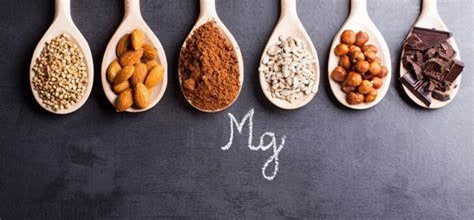
You can focus on eating more of:
- Boiled spinach
- Pumpkin seeds
- Nuts like cashews, almonds, and peanuts
- Black beans and peas
- Fish
- Prunes
- Fruits like peaches, figs, apricots, guava, mango, bananas, and cantaloupe
- Wild rice
Green smoothies are also a really great way to get much needed magnesium, fiber, and other essential nutrients in your diet.
Food for Thought: Cut the Salt, Add the Spice
Many people have been trying to cut the extra salt out of their diet for years, unsuccessfully. Fortunately, experts are now saying that the best way to cut the salt is to add the spice – hot spice that is!

A recent study shows that adding capsaicin – the spicy ingredient in chili peppers – can help to reduce your sodium intake.
During the study, researchers looked at the “brain scans of more than 600 people and discovered that the areas that responded to spicy and salty foods overlap—and eating spicy foods reduces salt cravings.”
Related information was just released that capsaicin is also a vasodilator—which helps lower blood pressure.
But experts say that you do not have to just eat hot peppers to reap the benefits of capsaicin. The blood pressure-lowering ingredient is found in many spices, like ground pepper, cayenne and paprika.
The study shows that “anyone with high blood pressure, heart disease, diabetes or kidney problems should limit their sodium consumption to 1,500 mg daily.” If you have salt-sensitive high blood pressure, excess sodium is deadly. For those without these conditions, you should aim for around 2,300 mg of sodium daily.
Substituting peppers for salt in your dishes can help you cut back on sodium while infusing your food with delicious flavor… and spice!
Enjoy a full years subscription of Healthy Revelations and discover life-changing health secrets you won't find anywhere else.
- $240 Yearly Value
- How To Lose Weight Fast
- Healthy Eating
- Stress Relief
- Disease Prevention
- Doctor Recommendations
- Seasonal Health Tips
- And More...